Kategorija: Uncategorized

  • Financial Thesis: The Global Hemp Ledger (GHL)

    Financial Thesis: The Global Hemp Ledger (GHL)

    The Tokenization of Biomass and the Transition to a Carbon-Collateralized Economy

    Original Source: Planet Hemp Cooperation – Financial Thesis


    Abstract: The Liquidity of Sequestration

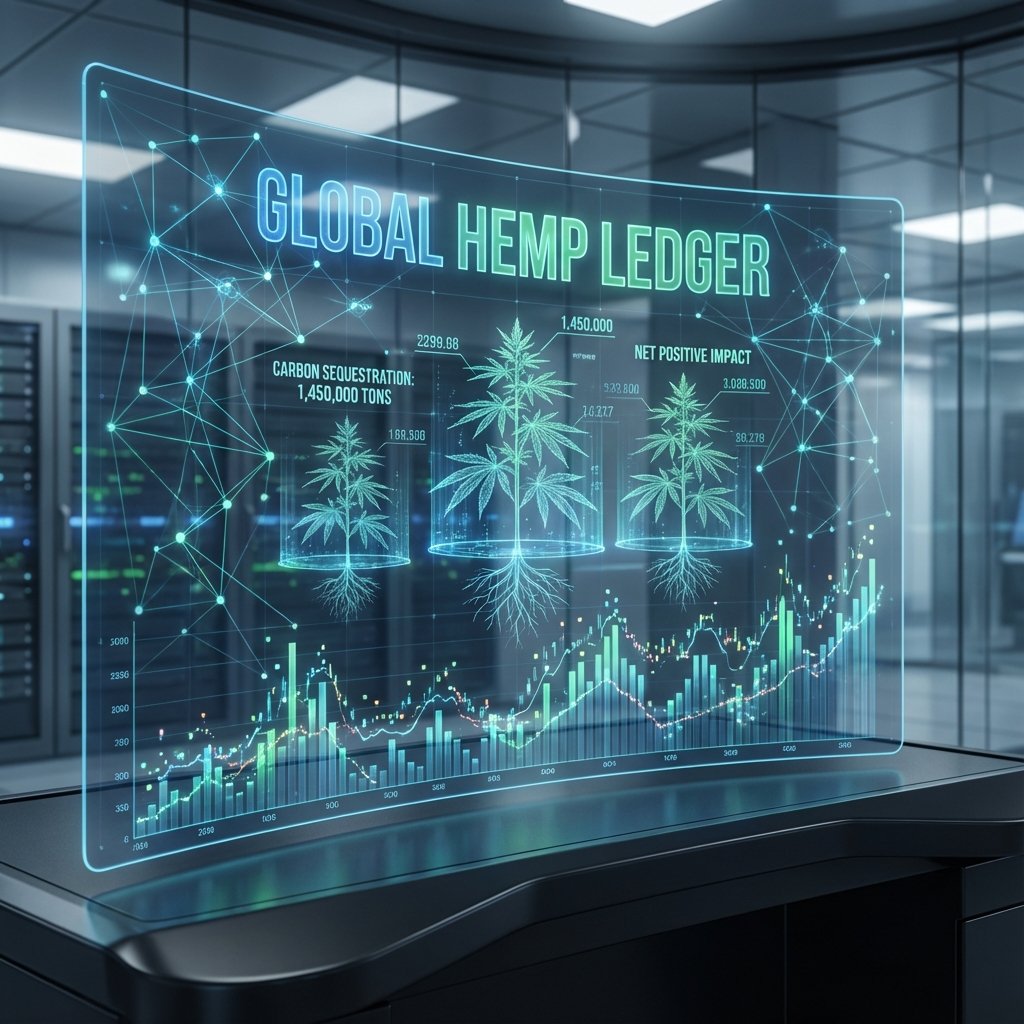
    The traditional financial system faces a structural „valuation gap” regarding regenerative assets. While industrial hemp (Cannabis sativa L.) acts as a premier carbon sink and industrial raw material, its economic value remains locked in fragmented, opaque supply chains. The Global Hemp Ledger (GHL) serves as a decentralized, cryptographic financial protocol designed to bridge this gap. By tokenizing verified carbon sequestration and industrial biomass through a Distributed Ledger Technology (DLT), the GHL creates a high-liquidity, anti-fragile asset class: The Hemp Credit (HC).

    Global Hemp Ledger

    The Problem: Market Inefficiency and Information Asymmetry

    Current ESG (Environmental, Social, and Governance) and carbon markets suffer from three critical failures:
    1. Double-Counting: Lack of immutable tracking allows for the same carbon offset to be sold multiple times.
    2. High Transaction Friction: Intermediaries absorb up to 30% of the value in rural-to-industrial financial transfers.
    3. Static Valuation: Biomass is valued only upon sale, ignoring the „living value” of the sequestration process during the growth cycle.

    The Solution: The GHL Cryptographic Architecture

    The Global Hemp Ledger utilizes a Consortium Blockchain to create a transparent, real-time valuation of the entire hemp lifecycle.

    Proof of Sequestration (PoS)

    Utilizing IoT-linked Eco-Guardian sensors and satellite multi-spectral analysis, the GHL verifies the $CO_2$ drawdown per hectare. This data is etched onto the ledger as a „Minting Event” for a Dynamic NFT (dNFT) representing that specific harvest.

    The Triple-Bottom-Line Smart Contract

    Every industrial contract is executed via smart contracts that automatically allocate:
    * 60% to the Producer (Direct Liquidity).
    * 20% to the Resilience Fund (Ecosystem Buffer).
    * 20% to the Equity Index 2.0 (Community Dividend).

    Financial Engineering: The Resilience Fund as a Macro-Hedge

    The GHL introduces the concept of „Biomass-Backing.” Unlike fiat currencies backed by debt, the Planet Hemp internal economy is backed by a physical inventory of high-value industrial materials (hempcrete, bio-resins, fiber).

    • Asset-Backed Stability: In periods of fiat inflation, the value of the GHL tokens remains pegged to the industrial utility of the hemp biomass.
    • Arbitrage Reduction: By integrating the Supply Chain Finance (SCF) model, the GHL allows small-scale Cultivators to use their „Growth-in-Progress” as collateral for immediate low-interest micro-loans from the Resilience Fund.

    The Equity Index 2.0: Measuring Real-Wealth

    Traditional GDP fails to account for ecological depletion. The GHL replaces this with the Equity Index 2.0, a multidimensional metric that calculates:

    $$Equity = \frac{(Biomass Output \times Market Utility) + Carbon Sequestration}{Resource Depletion Rate}$$

    This ensures that „Sovereign” members are rewarded not just for volume, but for the efficiency and calibration of their contribution to the planet’s health.

    Conclusion: The Green Renaissance Standard

    The Global Hemp Ledger represents a shift from Extract-and-Expend to Sequester-and-Sustain. By providing a professional, audited, and transparent financial framework, it invites institutional-scale investment into the Green Renaissance while protecting the individual sovereignty of the Hemp Nation.

    The GHL is not just a ledger of transactions; it is the Financial Blueprint for a planet that treats its biosphere as its most valuable capital.

  • The EU Biotech Act: A New Era for Sustainable Polymers

    The EU Biotech Act: A New Era for Sustainable Polymers

    The European Union has long been a global leader in environmental policy, but the upcoming EU Biotech Act promises to be a game-changer specifically for the bioeconomy. As we look toward a future less dependent on fossil fuels, this piece of legislation is poised to accelerate the transition to sustainable polymers, offering a robust framework for innovation, investment, and industrial growth. This isn’t just about regulation; it’s about seizing a massive economic opportunity that aligns with our planetary boundaries.

    A Strategic Push for Bio-Based Solutions

    The core philosophy behind the EU Biotech Act is simple: Europe needs to harness the power of biotechnology to solve its most pressing challenges. For the polymer industry, this means a decisive shift away from petrochemical feedstocks towards bio-based alternatives.

    Historically, the adoption of bioplastics has been slowed by high production costs and a lack of clear market incentives. The Biotech Act aims to level the playing field. By recognizing biotechnology as a critical strategic sector—on par with artificial intelligence or semiconductors—the EU is signaling to the market that bio-based materials are the future.

    Key Pillars of the Act

    1. Regulatory Simplification: One of the biggest hurdles for new material innovation has been the complex and slow approval process. The Act proposes „regulatory sandboxes” where companies can test new bio-based polymers in a real-world environment with reduced administrative burdens. This allows for faster iteration and quicker time-to-market for breakthrough materials.
    2. Investment and Funding: The Act is expected to unlock significant public and private capital. We are looking at dedicated funding streams for building biorefineries and scaling up production technologies. This addresses the „valley of death” that many startups face when trying to move from lab-scale prototypes to industrial manufacturing.
    3. Market Creation: To drive demand, the Act encourages public procurement of bio-based products. When governments start preferring sustainable polymers for infrastructure, packaging, and construction, it creates a massive, stable market that gives producers the confidence to invest in capacity.

    Impact on Research and Innovation

    For scientists and R&D departments, the Biotech Act is a green light to think big. It emphasizes the importance of synthetic biology and metabolic engineering—technologies that allow us to „program” microbes to produce complex polymers with properties that fossil-based plastics can’t match.

    We are already seeing incredible innovations:
    * Performance Polymers: Bio-based plastics that are stronger, lighter, and more heat-resistant than their traditional counterparts.
    * Smart Materials: Polymers that can self-heal or change properties in response to environmental stimuli.
    * Biodegradability by Design: Materials programmed to break down harmlessly at the end of their life, addressing the microplastic crisis at the source.

    The Act fosters a collaborative ecosystem where universities, startups, and established chemical giants can work together. This cross-pollination of ideas is essential for solving the complex chemical engineering challenges involved in scaling bio-production.

    The Future Landscape

    What does this mean for the European polymer industry? We are likely to see a „renationalization” of supply chains. Instead of importing oil from halfway across the globe, Europe will increasingly rely on its own biomass—agricultural residues, forestry waste, and even municipal waste streams—to produce its materials.

    This shift not only reduces carbon footprints but also enhances strategic autonomy. In a volatile geopolitical world, having a self-reliant supply of essential materials is a matter of national security.

    Conclusion

    The EU Biotech Act represents a bold step forward. It moves beyond the „doom and gloom” of climate change rhetoric to offer a practical, technology-driven roadmap for a sustainable future. For the polymer industry, the message is clear: the era of fossil dominance is ending. The future belongs to those who can innovate with nature.

    By embracing this legislation, Europe is not just cleaning up its own backyard; it is positioning itself as the global hub for the next industrial revolution—one built on biology.

    Day 38 Image

  • Polymers in the Deep Freeze: Science of Survival in Extreme Cold

    Polymers in the Deep Freeze: Science of Survival in Extreme Cold

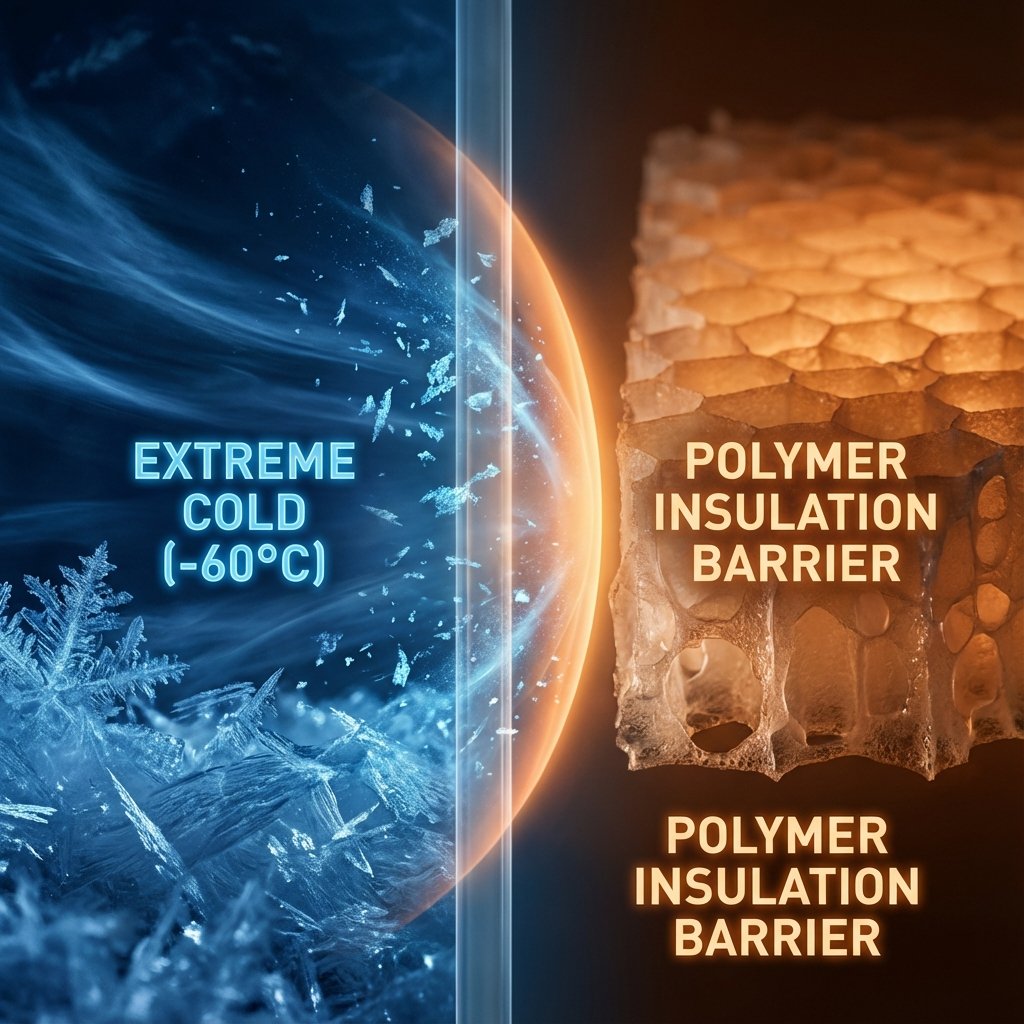
    It’s really cold outside. As temperatures drop and winter tightens its grip, we often retreat indoors or bundle up in layers. But have you ever stopped to consider what actually keeps you warm? More often than not, it’s a polymer.

    From the insulation in your walls to the fleece jacket on your back, plastics play a critical role in our ability to survive and thrive in freezing conditions.

    Polymers in Cold Weather

    The Science of Cold: Glass Transition

    Not all plastics like the cold. If you’ve ever left a cheap plastic garden chair out in freezing weather and seen it crack, you’ve witnessed the Glass Transition Temperature (Tg).

    Above its Tg, a polymer is flexible and rubbery. Below it, the molecular chains lose their ability to move freely, and the material becomes hard, glassy, and brittle. Designing polymers for cold environments—whether it’s for a ski boot or a pipeline in Alaska—requires carefully engineering the material to ensure its Tg is well below the operating temperature.

    Beating the Chill: Insulation

    The most effective way to combat cold is to trap heat. Polymers are the champions of thermal insulation.

    • Expanded Polystyrene (EPS): Commonly known as Styrofoam, this rigid foam is 98% air trapped within a polymer matrix. Since air is a poor conductor of heat, EPS is an excellent insulator used in building construction to keep homes warm and energy bills low.
    • Polyurethane (PU) Foam: This versatile foam expands to fill gaps and cracks, creating an airtight seal that prevents cold drafts from entering our living spaces.

    High-Tech Winter Wear

    Natural fibers like wool are great, but synthetic polymers have revolutionized winter clothing.

    • Polyester Fleece: Engineered to mimic the insulating properties of wool but at a fraction of the weight. The structure of the fibers traps pockets of warm air close to the body.
    • Waterproof Shells: Fabrics like Gore-Tex use a microporous membrane of PTFE (Polytetrafluoroethylene). The pores are small enough to stop liquid water (rain and snow) from getting in, but large enough to let water vapor (sweat) escape, keeping you dry and warm.

    Extreme Frontiers

    In the most unforgiving environments on Earth (and beyond), polymers are essential. Researchers are developing new „smart” polymers that can change their thermal properties on demand, or self-healing materials that recover from cold-induced cracking.

    So, as the temperature plunges this week, remember: that layer of warmth protecting you is likely a marvel of polymer science.

  • Polymers in Space: The Unsung Heroes of Exploration

    Polymers in Space: The Unsung Heroes of Exploration

    When we think of space exploration, we often picture gleaming metal rockets and titanium parts. But the unsung heroes protecting astronauts and keeping spacecraft intact are actually polymers. From the first Apollo missions to the future colonization of Mars, advanced plastics are critical to our survival in the cosmos.

    Polymers Space Exploration

    Surviving the Extreme

    Space is incredibly hostile. Temperatures swing from boiling hot in direct sunlight to hundreds of degrees below zero in the shade. It’s a vacuum, meaning materials can „outgas,” releasing chemicals that fog up sensitive instruments. And then there’s radiation—a constant bombardment of deadly particles.

    Traditional metals can be heavy and prone to fatigue. Polymers, however, offer a unique set of properties:
    * Lightweight: Essential when every kilogram costs thousands of dollars to launch.
    * Thermal Stability: Specialized polymers like Polyimide (Kapton) can withstand extreme temperature fluctuations without melting or becoming brittle.
    * Radiation Shielding: Some polymers, particularly those rich in hydrogen like Polyethylene, are surprisingly effective at blocking cosmic radiation.

    The Spacesuit: A Polymer Armor

    An astronaut’s spacesuit is arguably the most complex piece of clothing ever designed. It’s not just fabric; it’s a personalized spacecraft.
    * Protection: Layers of Kevlar and Mylar protect against micrometeoroids traveling faster than bullets.
    * Mobility: Flexible urethane joints allow astronauts to move their limbs in a pressurized environment that would otherwise make them stiff as a board.
    * Visors: The gold-coated helmet visors are made of high-strength Polycarbonate, protecting eyes from blinding solar glare and UV rays.

    Building the Future: Carbon Fiber Composites

    Modern spacecraft, like those from SpaceX and Rocket Lab, are increasingly relying on Carbon Fiber Reinforced Polymers (CFRPs). These materials are stronger than steel but a fraction of the weight.
    * Fuel Tanks: Huge cryogenic fuel tanks are now being wound from carbon fiber composites, capable of holding freezing liquid oxygen without cracking.
    * Structural Integrity: The lighter the structure, the more payload (or people) the rocket can carry.

    3D Printing in Zero-G

    The future of space logistics lies in manufacturing in situ. We can’t carry every spare part we might ever need to Mars.
    * On-Demand Parts: The International Space Station (ISS) already has 3D printers that use high-performance polymers like PEEK (Polyether ether ketone) to print tools and replacement parts on demand.
    * Habitats: NASA is researching ways to use excessive polymer waste or even synthesize biopolymers to 3D print habitats on the Moon and Mars.

    Conclusion

    As we push further into the solar system, our reliance on these advanced materials will only grow. It is the versatility and adaptability of polymers that will allow humanity to not just visit other worlds, but to live there.

  • Conductive Polymers: When Plastic Conducts Electricity

    Conductive Polymers: When Plastic Conducts Electricity

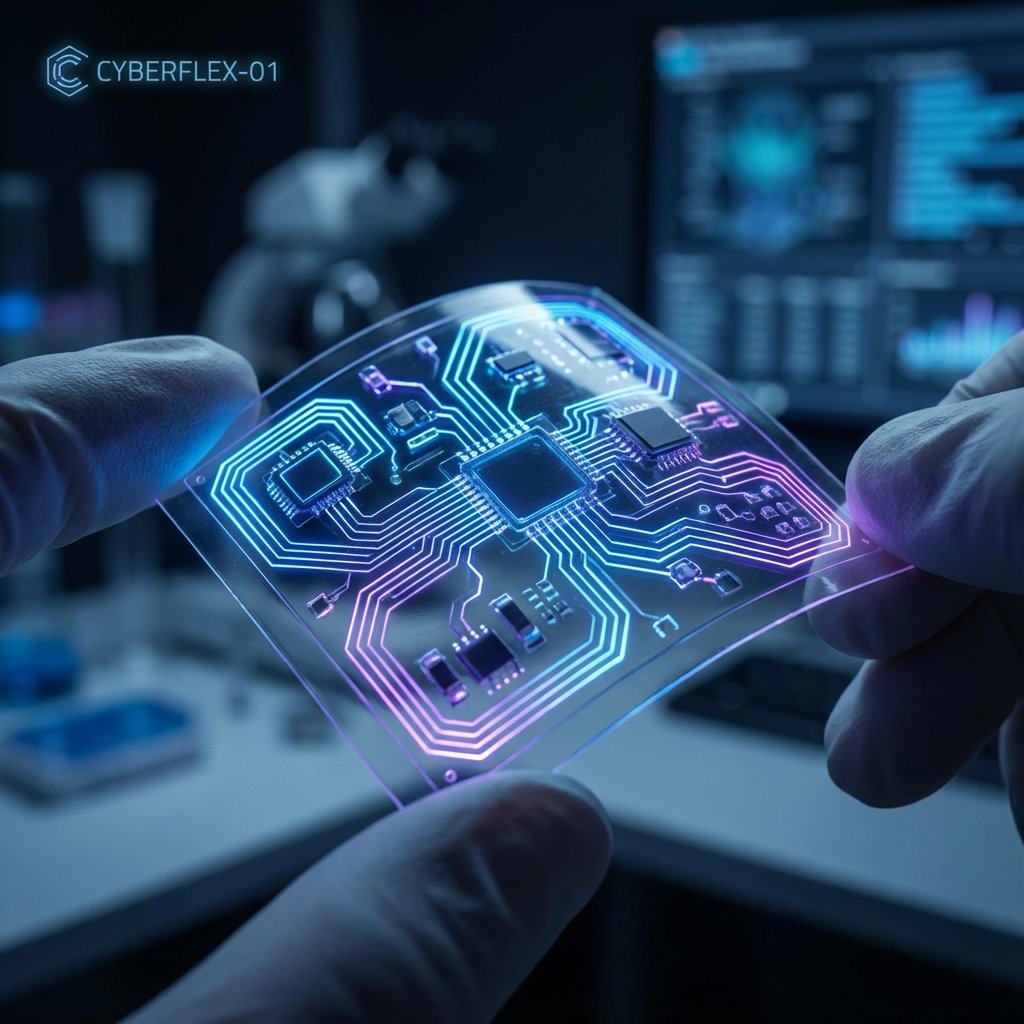
    For most of the 20th century, „plastic” was synonymous with „insulator.” We used it to coat wires to prevent shocks, not to carry the current itself. But what if a plastic could conduct electricity just like copper wire? This paradox became reality with the discovery of Conductive Polymers, a breakthrough that earned its discoverers the Nobel Prize in Chemistry in 2000.

    Flexible Electronic Polymer

    Breaking the Rules of Chemistry

    Typically, polymers are made of long chains of saturated carbon bonds, which hold their electrons tightly. In conductive polymers (like polyacetylene, polyaniline, or polypyrrole), the carbon backbone is „conjugated”—it has alternating single and double bonds. This structure creates a „highway” for electrons to move along the chain.

    When these polymers are „doped” (treated with a small amount of another chemical to add or remove electrons), their conductivity can increase by a factor of a billion, transforming them from insulators to conductors.

    Why Do We Need Them?

    If we already have copper and gold, why use plastic?

    1. Flexibility: Conductive polymers can bend, stretch, and roll without breaking. This is the key to flexible electronics.
    2. Lightweight: They are much lighter than metals, crucial for aerospace and portable devices.
    3. Processability: They can be dissolved in solvents and printed like ink. Imagine printing a circuit board on your home inkjet printer!
    4. Transparency: Some conductive polymers are transparent, making them ideal for touchscreens.

    Powering the Future

    1. Flexible Displays (OLEDs)

    The most famous application is the Organic Light Emitting Diode (OLED). Used in high-end smartphones and TVs, OLEDs rely on thin films of organic polymers that light up when electricity passes through them. Because they are plastic-based, they allow for curved screens and potentially foldable phones.

    2. Organic Solar Cells (OPVs)

    Traditional silicon solar panels are heavy, rigid, and energy-intensive to produce. Organic Photovoltaics (OPVs) use conductive polymers to absorb sunlight and convert it into electricity. While currently less efficient than silicon, they can be printed onto flexible rolls of plastic, allowing for solar-powered tents, backpacks, or even transparent solar windows.

    3. Electronic Skin and Wearables

    Conductive polymers are soft and biocompatible, making them perfect for interfacing with the human body. Researchers are developing „electronic skin”—sensors that can monitor heart rate, temperature, or even muscle movement, all worn as a comfortable patch or woven into clothing (Smart Textiles).

    4. Antistatic Coatings

    On a more mundane but vital level, thin layers of conductive polymers are used to coat electronic packaging to prevent static electricity from frying sensitive computer chips during shipping.

    The Road Ahead

    The next frontier is Molecular Electronics, where single polymer chains act as wires and transistors. We are also seeing the rise of Bio-batteries and Supercapacitors made from conductive polymers that charge in seconds.

    By bridging the gap between the biological world (which is soft and organic) and the technological world (which has been hard and metallic), conductive polymers are paving the way for a future where electronics are seamless, invisible, and ubiquitous.

  • Smart Polymers: The Materials That Adapt and Evolve

    Smart Polymers: The Materials That Adapt and Evolve

    The manufacturing landscape is undergoing a seismic shift. For decades, terms like „injection molding” and „extrusion” dominated the production floor. While these methods remain vital, a new contender has graduated from the prototyping lab to the full-scale production line: 3D Printing, also known as Additive Manufacturing (AM).

    Smart Polymer Illustration

    Unlike traditional materials that are static and passive, smart polymers (also known as stimuli-responsive polymers) are dynamic. They are designed to sense changes in their environment—such as temperature, pH, light, or magnetic fields—and respond in a predictable, useful way.

    How Do They Work?

    At the molecular level, smart polymers are engineered with specific functional groups that react to external triggers.

    • Temperature: A slight rise in heat can cause polymer chains to coil or uncoil, drastically changing the material’s size or phase (from liquid to solid).
    • pH Levels: In acidic or alkaline environments, certain polymers swell or shrink, which is particularly useful for drug delivery systems in the human body.
    • Light: Photosensitive polymers can change color or mechanical properties when exposed to UV or visible light.

    The Superpowers of Smart Polymers

    1. Shape-Memory Polymers (SMPs)

    These materials can be deformed into a temporary shape and then, upon a specific trigger (usually heat), „remember” and return to their original permanent shape.
    * Application: Self-deploying solar panels for satellites or minimally invasive surgical stents that expand only when they reach the correct artery.

    2. Self-Healing Materials

    Inspired by biological healing (like skin closing a wound), these polymers contain microcapsules of healing agents or have reversible chemical bonds. When a crack forms, the capsules rupture or the bonds reorganize, sealing the damage.
    * Application: Scratch-resistant phone screens, self-repairing automotive paint, and longer-lasting infrastructure.

    3. Color-Changing (Chromogenic) Polymers

    These change color in response to stimuli.
    * Application: Smart food packaging that changes color if the food spoils, or windows that darken automatically in bright sunlight to save energy.

    Revolutionizing Industries

    Healthcare: The Targeted Strike

    One of the most promising areas is Smart Drug Delivery. Conventional medication floods the entire body, often causing side effects. Smart polymer nanoparticles can carry a drug through the bloodstream and release it only when they encounter the specific pH or temperature of a tumor. This maximizes efficacy while minimizing harm to healthy tissue.

    Soft Robotics

    Traditional robots are rigid and jerky. Smart polymers are enabling Soft Robotics—artificial muscles that contract and expand silently and smoothly. These robots can handle delicate objects (like fruit) or navigate tight spaces where rigid robots would get stuck.

    Aerospace and Defense

    In aerospace, every gram counts. Smart morphing wings could change their aerodynamic profile in mid-flight without the need for heavy hydraulic systems, optimizing fuel efficiency for different flight phases.

    The Future is Adaptive

    We are moving away from the era of „dumb” materials that simply hold a shape, towards an era of „intelligent” materials that interact with the world. As research advances, we can expect smart polymers to become more sensitive, faster-acting, and integrated into everything from our clothes to our cities.

    The future of manufacturing isn’t just about building stronger things; it’s about building smarter things.

  • The Rise of 3D Printing with Advanced Polymers: Revolutionizing Manufacturing

    The Rise of 3D Printing with Advanced Polymers: Revolutionizing Manufacturing

    The manufacturing landscape is undergoing a seismic shift. For decades, terms like „injection molding” and „extrusion” dominated the production floor. While these methods remain vital, a new contender has graduated from the prototyping lab to the full-scale production line: 3D Printing, also known as Additive Manufacturing (AM).

    Specifically, the combination of AM technology with advanced high-performance polymers is unlocking possibilities that were previously deemed impossible. It’s not just about making plastic trinkets anymore; it’s about creating flight-critical aerospace components, patient-specific medical implants, and ultra-durable automotive parts.

    From Prototyping to Production

    Historically, 3D printing was the domain of rapid prototyping. Engineers would print a rough model to test fit and form, then switch to traditional tooling for the final product. Today, that gap is closing.

    Advancements in printer accuracy, speed, and—most importantly—material science, have enabled direct digital manufacturing. We can now print end-use parts that rival, and sometimes exceed, the mechanical properties of their injection-molded counterparts.

    The Stars of the Show: High-Performance Polymers

    Standard PLA and ABS plastics are great for hobbyists, but industrial applications demand more. Enter the super-polymers:

    • PEEK (Polyether Ether Ketone): Known for its exceptional thermal stability and chemical resistance. It’s often used as a lightweight replacement for metal in aerospace.
    • ULTEM (Polyetherimide): Offers high strength-to-weight ratio and is flame retardant, making it ideal for aircraft interiors and electrical components.
    • Carbon Fiber Reinforced Nylon: By embedding carbon fibers into a nylon matrix, manufacturers achieve parts with incredible stiffness and tensile strength, perfect for custom jigs, fixtures, and structural components.

    Unmatched Design Freedom

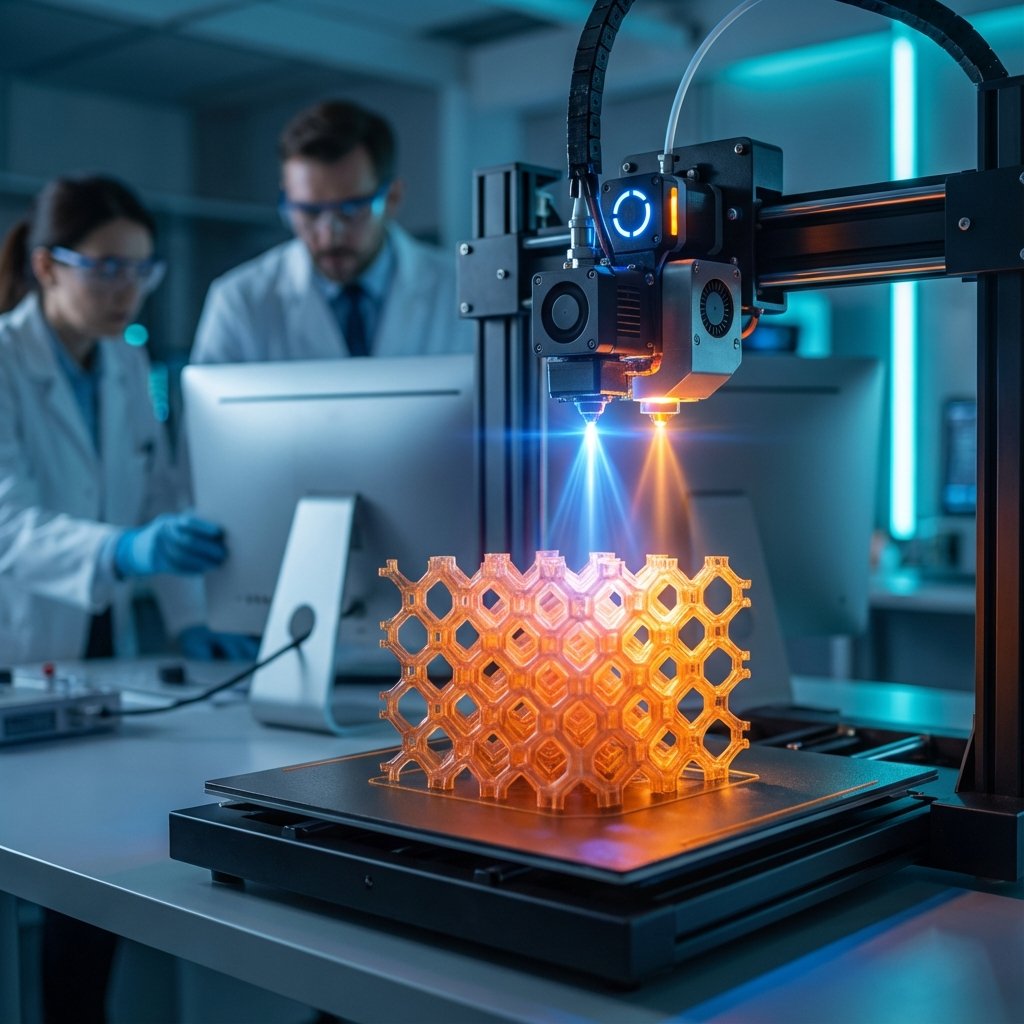
    The true power of 3D printing lies in geometric complexity. Traditional manufacturing is „subtractive” (machining away material) or formative (using molds). Both have strict limitations—you need draft angles, you can’t have undercuts without complex sliders, and internal hollow structures are nearly impossible.

    3D printing builds layer by layer, freeing designers to create:
    * Lattice Structures: Internal honeycombs that reduce weight by 60% while maintaining structural integrity.
    * Consolidated Assemblies: Printing a gear system or a nozzle assembly as a single piece, eliminating the need for weak joints and fasteners.
    * Topology Optimization: Using AI software to generate organic, bone-like shapes that place material only exactly where stress loads require it.

    Real-World Impact

    Aerospace

    Boeing and Airbus have been pioneers, using printed polymer parts to shave hundreds of kilograms off aircraft weight. Every kilogram saved translates to significant fuel savings over the plane’s lifetime.

    Medical

    The medical field utilizes biocompatible polymers to print patient-specific guides for surgery, custom prosthetics that fit perfectly, and even porous implants that encourage natural bone growth.

    Automotive

    Companies like Ford and BMW use high-performance polymer printing not just for parts, but for the factory floor itself—printing custom tools and robotic grippers overnight to adapt to new assembly lines.

    The Road Ahead

    As we look to the rest of 2026 and beyond, the convergence of AI, material science, and automation will further accelerate this trend. We are moving towards a future of distributed manufacturing, where digital files are sent globally and printed locally, reducing shipping costs and carbon footprints.

    The revolution isn’t coming; it’s already here, layer by layer.

    Are you leveraging advanced polymers in your manufacturing process? The future might just be one print away.

  • The Invisible Resolution: A Global Pledge Against Microplastics

    The Invisible Resolution: A Global Pledge Against Microplastics

    As the sun rises on January 1st, 2026, millions of resolutions are being made worldwide. We vow to exercise more, eat healthier, or learn a new skill. But this year, we invite you to add one more commitment to your list—one that extends beyond personal improvement to planetary healing.

    Join us in a pledge to investigate, understand, and combat microplastics.

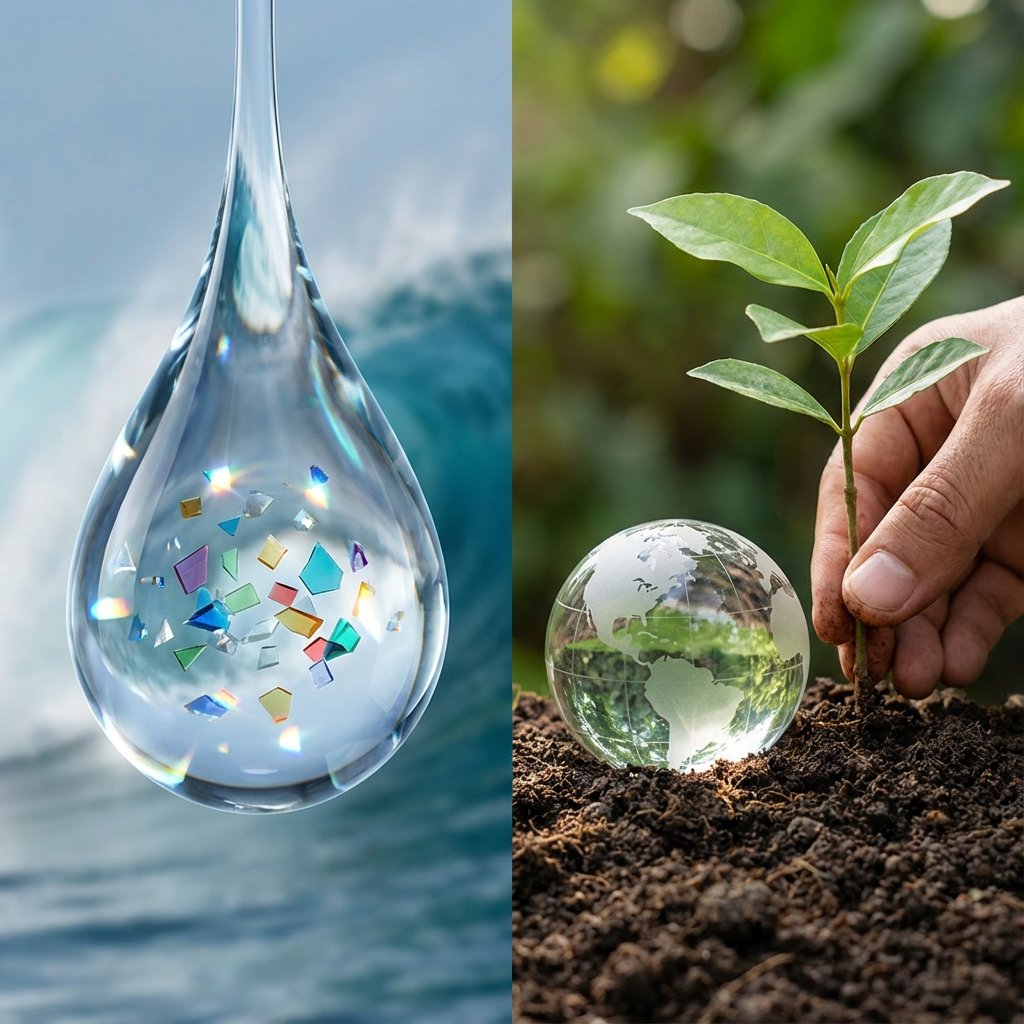
    These tiny particles, less than 5mm in size, have infiltrated every corner of our globe, from the deepest ocean trenches to the summits of the highest mountains, and even into our own bodies. Information is power, and the first step to solving this crisis is understanding it.

    The Pledge: „I Will Look Closer”

    This New Year’s resolution isn’t about immediate perfection; it’s about persistent awareness. By taking the pledge, you commit to:

    1. Questioning the lifecycle of the products you buy.
    2. Reducing reliance on single-use items that degrade into microplastics.
    3. Supporting science and policies that aim to filter and remove these pollutants.

    Investigating Causes: Where Do They Come From?

    Microplastics are generally categorized into two types:

    • Primary Microplastics: These are intentionally manufactured small particles, such as those found in some facial scrubs (microbeads) or the raw resin pellets (nurdles) used in plastic manufacturing.
    • Secondary Microplastics: These form when larger plastic items—bottles, fishing nets, and bags—break down due to exposure to sun, wind, and waves.

    However, some sources might surprise you. Synthetic textiles shed thousands of microfibers with every wash, and car tires release dust as they wear down on roads, which then washes into waterways.

    Understanding Effects: The Invisible Impact

    Why does size matter? Because their small scale allows microplastics to be ingested by marine life, from zooplankton to whales. They can block digestive tracts, reduce the urge to eat, and leach toxic chemicals into tissues. These toxins then travel up the food chain, eventually reaching our dinner plates.

    Recent studies have even detected microplastics in human blood and lungs. While the long-term health implications are still being studied, the consensus is clear: plastic does not belong in our biology.

    Seeking Solutions: A Roadmap for 2026

    The situation is serious, but not hopeless. Innovation and collective action are turning the tide.

    • Advanced Filtration: New washing machine filters are being developed to trap microfibers before they enter the sewage system.
    • Bio-benign Materials: Research into biodegradable alternatives that break down harmlessly in natural environments is accelerating.
    • Global Policy: International treaties are beginning to address the full lifecycle of plastics, holding producers accountable for the end-of-life of their products.

    Your First Step

    Today, on day one of 2026, take a moment to look at the materials around you. Choose natural fibers when you can. Carry a reusable bottle. Support brands that are transparent about their supply chain.

    Let this be the year we not only see the problem but become part of the solution. Happy New Year! Here is to a cleaner, clearer future.

  • New Year, New Materials: A Toast to Sustainable Innovations

    New Year, New Materials: A Toast to Sustainable Innovations

    As the final hours of December 31st tick away, the world prepares to welcome another year. Lighting fireworks, popular champagne, and gathering with loved ones are traditions that mark this transition. However, amidst the celebration, it’s a perfect moment to reflect on the materials that make our festivities possible and the quiet revolution happening in the world of polymers.

    New Year’s Eve has historically been a night of single-use excess—plastic glitter, disposable cups, synthetic streamers, and novelty eyewear worn for a few hours and then discarded. But as we stand on the threshold of 2026, the narrative is changing. The polymer industry, often scrutinized for its environmental footprint, is increasingly becoming a driver of sustainable solutions that allow us to celebrate without compromise.

    The Ghost of Plastics Past vs. The Spirit of Innovation

    We are moving away from the „take-make-dispose” model that characterized holidays of the past. This year, we’ve seen a surge in biodegradable glitter made from cellulose, replacing the microplastics that once washed into our oceans after the party was over. These plant-based alternatives shimmer just as brightly but return to nature harmlessly.

    Similarly, the decor industry is embracing bioplastics derived from corn starch and sugarcane. Imagine party favors that can be composted along with your food scraps, rather than lingering in landfills for centuries. This shift isn’t just about consumer guilt; it’s about material science unlocking new possibilities.

    2026: A Year of Sustainable Resolutions

    As we look forward to the new year, the polymer industry is making its own set of resolutions.

    1. Closing the Loop: The focus is shifting from merely „recyclable” to „actively recycled.” Chemical recycling technologies are maturing, promising to turn complex mixed plastics back into virgin-quality feedstocks.
    2. Smart Materials: 2026 promises the rise of polymers that do more. We are seeing research into packaging that can detect spoilage or materials that heal themselves, extending product lifespans and reducing waste.
    3. Bio-based Feedstocks: The move away from fossil fuels continues. Algae, fungi, and even agricultural waste are becoming the building blocks of the future, reducing our carbon footprint before the product is even made.

    A Toast to a Greener Future

    Tonight, as we raise our glasses, let’s appreciate the science that is making our world cleaner and more efficient. The transition to a circular economy is a marathon, not a sprint, but every innovation brings us closer to the finish line.

    Whether you are celebrating with a reusable cup made from recycled content or wearing an outfit spun from sustainable fibers, you are part of this change.

    Happy New Year! Here’s to a 2026 filled with breakthrough innovations, sustainable solutions, and a brighter, greener future for all.

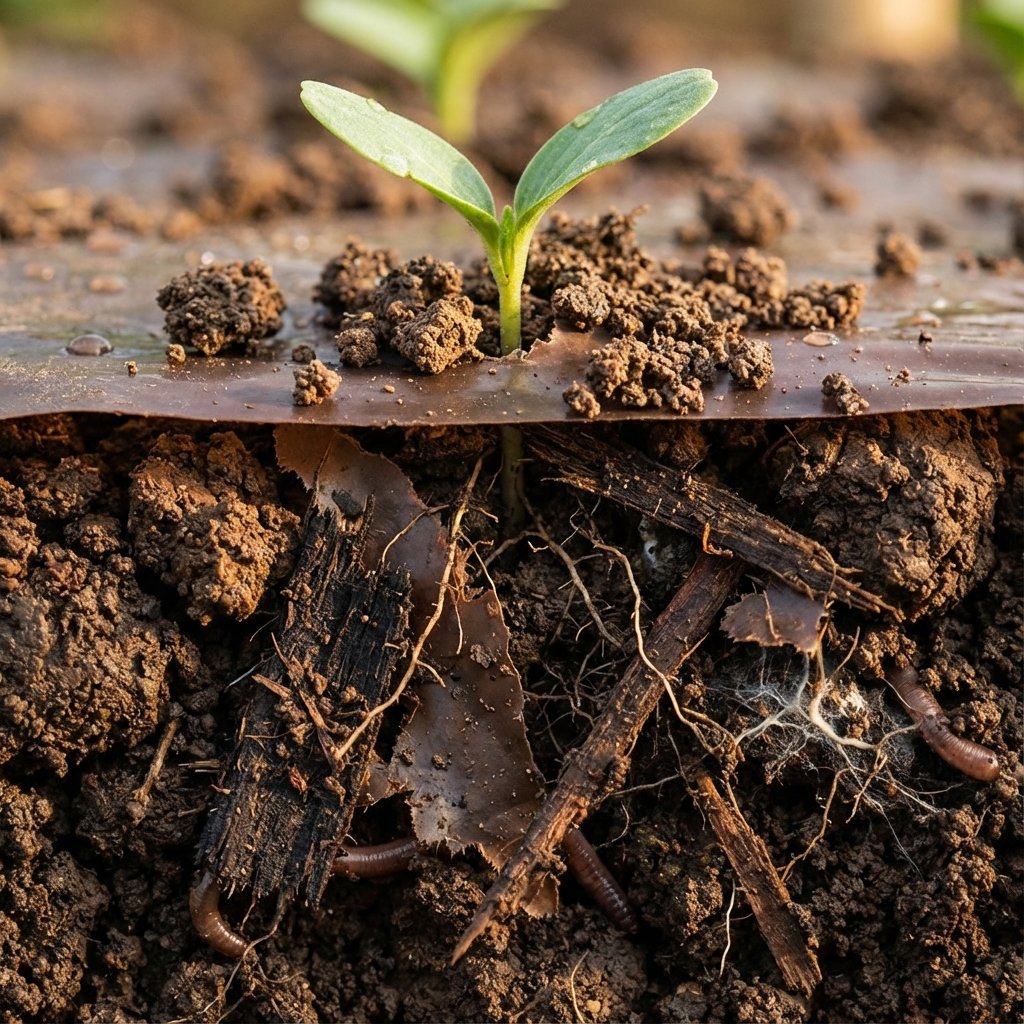
  • Day 30: Saving Our Soil – The Science of Biodegradable Mulch Films

    Day 30: Saving Our Soil – The Science of Biodegradable Mulch Films

    Modern agriculture adheres to a difficult contract: we need to produce more food for a growing population, but the very methods we use to boost yields are slowly destroying the foundation of farming—the soil itself.

    Nowhere is this paradox more evident than in „plasticulture.” The use of polyethylene (PE) mulch films has revolutionized farming by suppressing weeds, conserving water, and increasing yields. But it has come at a terrible cost. We are coating our arable land in a layer of plastic that never truly leaves.

    For Day 30, we are stepping away from abstract innovation to dig into a literal „close-to-earth” problem: The accumulation of microplastics in agricultural soil and the scientific imperative for certified soil-biodegradable alternatives.

    The „White Pollution” Crisis

    Walk through an intensively farmed field after harvest, and you will likely see tattered fragments of plastic film partially buried in the dirt. This is often referred to as „White Pollution.”

    Conventional PE mulch films are thin (often 10–25 microns). When removed after a growing season, they tear easily. It is estimated that 10-20% of the film remains in the field even after retrieval efforts. Over decades, this accumulation reaches a tipping point.

    The Real-World Impact on Soil Physics

    Plastic residues are not inert bystanders. They actively degrade the physical properties of the soil:
    1. Water Transport Blockage: Plastic fragments create impermeable barriers within the soil profile, disrupting the capillary movement of water and nutrients to plant roots.
    2. Reduced Bulk Density: High levels of microplastics alter the soil structure, making it looser but less able to anchor roots effectively.
    3. Yield Drag: Research has shown that residual plastic pollution can reduce crop yields by 10% to 25% in severely contaminated fields, negating the very benefits the plastic provided in the first place.

    The Solution: Soil-Biodegradable Mulch Films (BDM)

    The industry’s answer to this crisis is Soil-Biodegradable Mulch (BDM). However, this sector is rife with greenwashing and confusion. To understand the substance of this solution, we must look at the chemistry and the standards.

    How It Works: Mineralization vs. Fragmentation

    The most critical distinction for any buyer or policymaker is the difference between biodegradable and oxo-degradable.

    • Oxo-degradable (The False Solution): These are conventional plastics with additives that cause the plastic to brittle and shatter into invisible microplastics when exposed to UV light. They do not biodegrade. They simply become impossible to see and impossible to clean up.
    • True Biodegradable (The Science): True BDMs (made from polymers like PBAT, PLA, or PHA blends) are designed to be food for soil microbes. Bacteria and fungi in the soil release enzymes that depolymerize the film’s long molecular chains into smaller monomers. These monomers are then consumed by the microbes, resulting in Mineralization.

    The equation for true biodegradation is:
    $$ Polymer + O_2 + Microbes \rightarrow CO_2 + H_2O + Biomass $$

    There is no microplastic residue left behind—only basic elements and organic matter that enriches the soil.

    The Gold Standard: EN 17033

    For years, the market lacked clear rules. „Biodegradable” was a marketing term without technical backing. That changed with the introduction of EN 17033, the first European standard specifically for biodegradable mulch films.

    If a product claims to be soil-biodegradable but does not cite EN 17033, it should be viewed with skepticism. This standard requires:
    1. 90% Biodegradation within 24 months in absolute soil conditions (not industrial composters).
    2. Ecotoxicity Testing: Proving that the breakdown residues have zero negative effect on earthworms, plants, or soil microorganisms.
    3. Heavy Metal Limits: Strict caps on the chemical composition of the film.

    The Economic Reality

    Farmers operate on thin margins, and BDM films are currently 2-3 times more expensive than conventional PE mulch. Why would a farmer switch?

    The „sticker price” is deceptive because it ignores the labor and disposal costs.

    Cost Factor Conventional PE Film Biodegradable (BDM) Film
    Material Cost Low High
    Installation Same Same
    Removal Labor High (Labor intensive to pull up) Zero (Tilled into soil)
    Disposal Fees High (Landfill or washing lines) Zero
    Soil Health Cost Cumulative degradation Regeneration

    When the elimination of retrieval labor and disposal fees is factored in, the total cost of system (TCS) for biodegradable films is becoming competitive, especially for crops like tomatoes, peppers, and melons where retrieval is difficult.

    Conclusion

    The problem of agricultural plastic is a ticking time bomb directly beneath our food systems. We cannot simply continue to mix conventional plastic into the earth and expect our soil to remain fertile.

    Switching to certified soil-biodegradable polymers is not just a „nice-to-have” eco-trend; it is a technical necessity for preserving the arable land we rely on. For producers, the future lies in polymers that know when their job is done—materials that return to the earth as gracefully as the plants they protected.