Kategorija: Uncategorized

  • Biomass Done Right: Efficiency & Prioritization

    Biomass Done Right: Efficiency & Prioritization

    Executive Summary

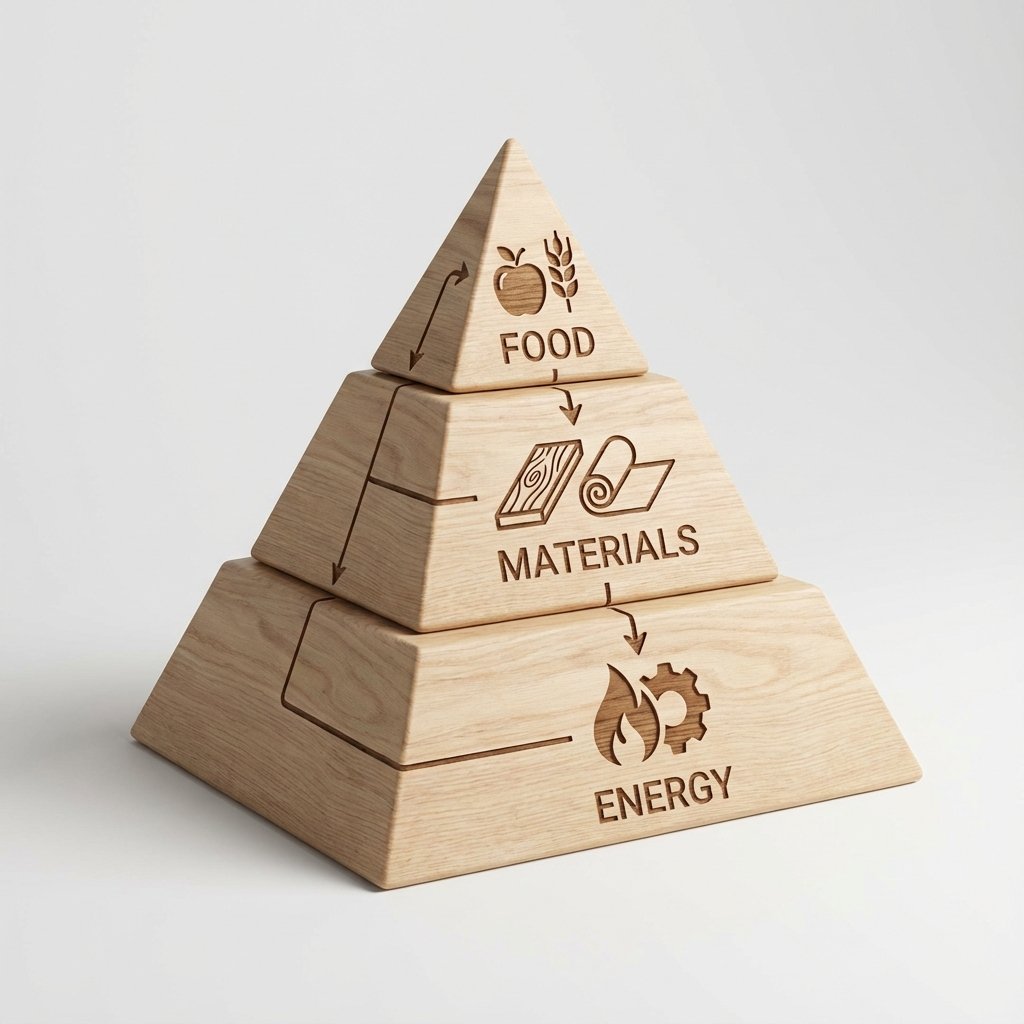
    Biomass is renewable, but it’s not infinite. To make the bioeconomy truly sustainable, we need to use every tree, crop, and residue wisely. The „cascading use” principle ensures we prioritize high-value materials over burning biomass for energy.

    Key Metrics

    • 38%: Percentage of biomass used for animal feed in Europe (2022).
    • 29%: Percentage of biomass used for energy (2022).
    • 24%: Percentage of biomass used for materials (2022).

    Core Content

    The Challenge

    There is a rising demand for biomass for food, feed, energy, and materials. If we aren’t careful, we risk over-exploiting our ecosystems or creating conflicts between these needs (the „food vs. fuel” debate).

    The Solution

    The strategy emphasizes Efficient Use:
    1. Food First: Food and nutrition security is the top priority.
    2. High Value: Use biomass for long-lived products (like timber or bioplastics) that store carbon.
    3. Residues for Energy: Use waste and secondary streams for energy, rather than primary crops.

    The Impact

    By following these principles, we can:
    * Reduce pressure on forests and farmland.
    * Maximize the economic value generated from each unit of biomass.
    * Ensure that bioenergy complements, rather than competes with, other decarbonization goals.

    Source: EU Bioeconomy Strategy

  • Powering the Transition: Biorefineries & Carbon Capture

    Powering the Transition: Biorefineries & Carbon Capture

    Executive Summary

    To replace oil refineries, we need biorefineries. These advanced facilities convert biomass into a spectrum of products—from food to fuels. Coupled with carbon capture, they are the engines of the new bioeconomy.

    Key Metrics

    • Technology Readiness Level 5-7: Focus for new biomanufacturing demonstration infrastructure.

    Core Content

    The Challenge

    We need to process biomass efficiently to get the most value out of it. Single-product facilities are often inefficient. We also need technologies to capture and use the carbon that is inevitably released.

    The Solution

    The strategy focuses on two key technological pillars:
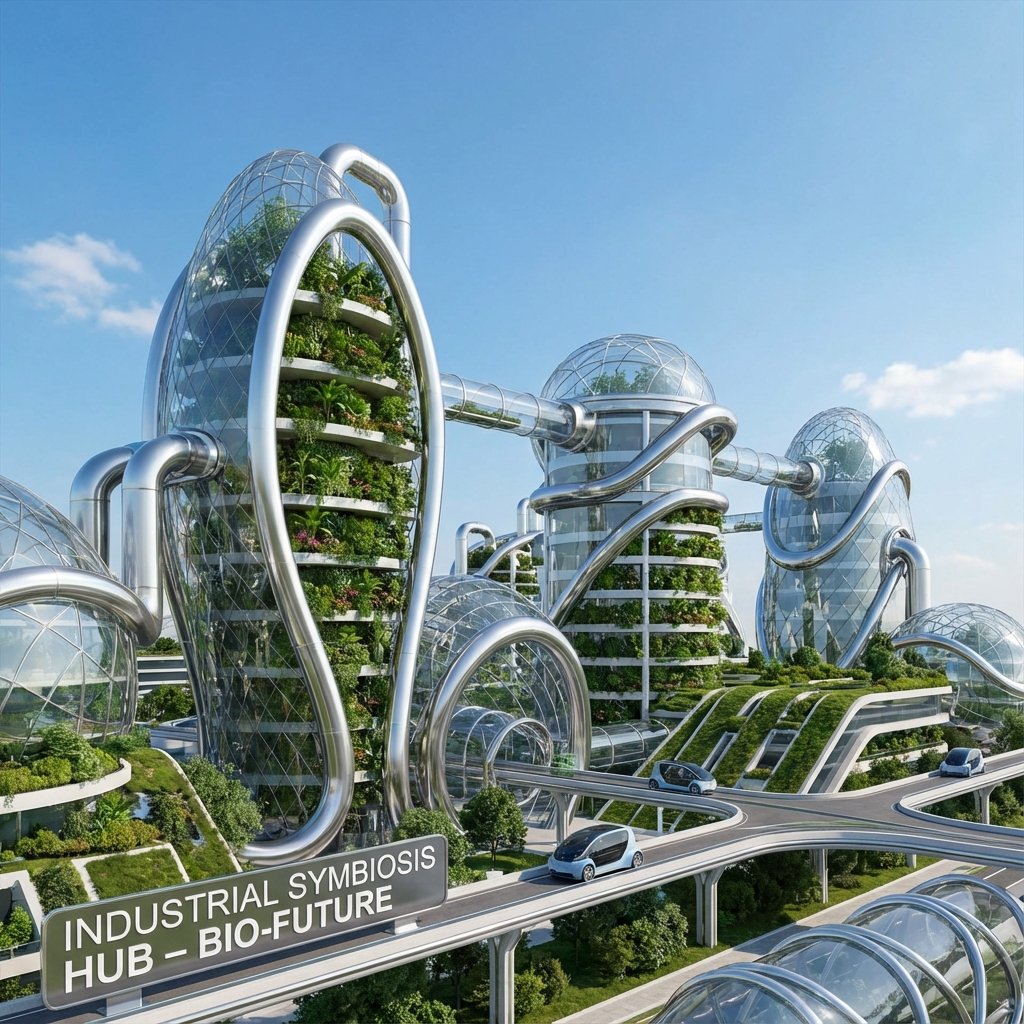
    1. Integrated Biorefineries: Facilities that act like „industrial ecosystems,” turning biomass into food, feed, chemicals, materials, and energy—wasting nothing.
    2. Bio-CCUS: Bio-energy with Carbon Capture, Use, and Storage. Capturing CO2 from bio-based processes and either storing it permanently or using it as a feedstock for other industries.

    The Impact

    • Industrial Symbiosis: Different industries working together (e.g., a paper mill supplying heat to a greenhouse).
    • Negative Emissions: Permanently storing biogenic carbon can actually remove CO2 from the atmosphere.
    • Efficiency: Maximizing the value extracted from every ton of biomass.

    Source: EU Bioeconomy Strategy

  • Feeding the Soil: Bio-based Fertilizers

    Feeding the Soil: Bio-based Fertilizers

    Executive Summary

    Healthy soil is the foundation of food security. Bio-based fertilizers and plant protection products offer a way to nourish crops while restoring soil health, reducing reliance on synthetic inputs and imported raw materials.

    Key Metrics

    • 2026: Evaluation of the Fertilising Products Regulation to promote organic/recovered materials.

    Core Content

    The Challenge

    Modern agriculture relies heavily on synthetic fertilizers and pesticides. These can degrade soil health over time and often depend on imported fossil-based ingredients.

    The Solution

    The EU is promoting bio-based alternatives:
    * Bio-fertilizers: Recycled nutrients, microorganisms, and processed manure (RENURE).
    * Bio-pesticides: Natural substances and plant extracts to manage pests.
    * Simplification: Streamlining assessments for microorganisms to get them to market faster.

    The Impact

    Shift to bio-based inputs means:
    * Resilience: Less dependence on volatile global markets for synthetic fertilizers.
    * Circularity: Turning agricultural waste and manure into valuable resources.
    * Soil Health: Improving soil structure and biodiversity for long-term productivity.

    Source: EU Bioeconomy Strategy

  • Building Green: Bio-based Construction

    Building Green: Bio-based Construction

    Executive Summary

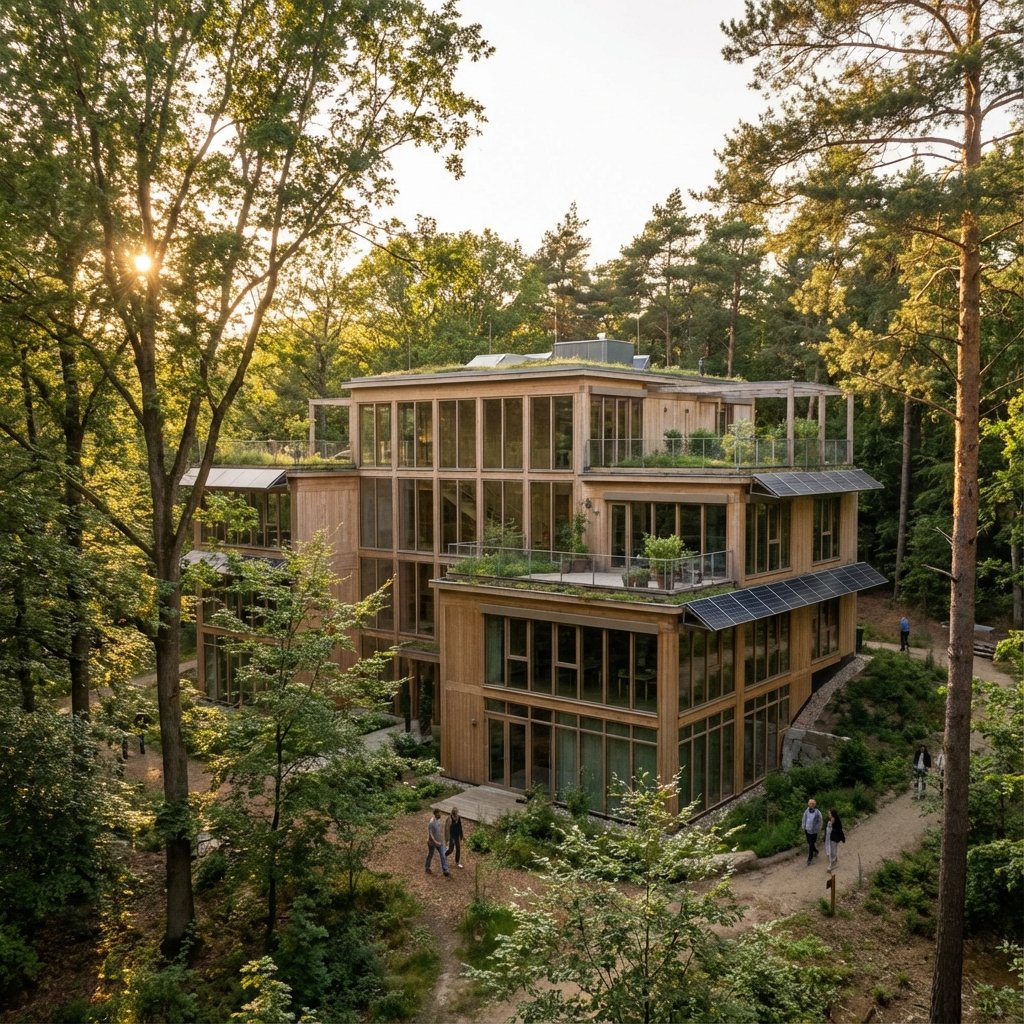
    Buildings are major carbon emitters. The bioeconomy offers a solution: constructing with wood, straw, and hemp. These materials don’t just reduce emissions; they turn buildings into long-term carbon storage vaults.

    Key Metrics

    • 35%: Share of EU waste generation from the construction sector.
    • 40%: Potential reduction in embodied carbon and energy demand by using bio-based products.

    Core Content

    The Challenge

    Construction is resource-hungry and polluting. Traditional materials like concrete and steel have high „embodied carbon.” To reach climate goals, we need to change how we build.

    The Solution

    The strategy champions bio-based construction materials—timber, insulation (hemp/straw), and fibre composites.
    * Standardization: Ensuring bio-based products can be fairly compared with conventional ones (e.g., fire safety standards).
    * Certification: Developing a methodology to certify the carbon stored in buildings under the Carbon Removal Certification Framework.
    * New European Bauhaus: Supporting demonstration projects like school renovations and social housing.

    The Impact

    Bio-based construction is a triple win:
    1. Lower Emissions: Less energy to produce than concrete/steel.
    2. Carbon Storage: Trees absorb CO2; using wood in buildings locks that carbon away for decades.
    3. Regional Jobs: Supports local forestry and processing industries.

    Source: EU Bioeconomy Strategy

  • Green Chemistry: The Industrial Biotech Boom

    Green Chemistry: The Industrial Biotech Boom

    Executive Summary

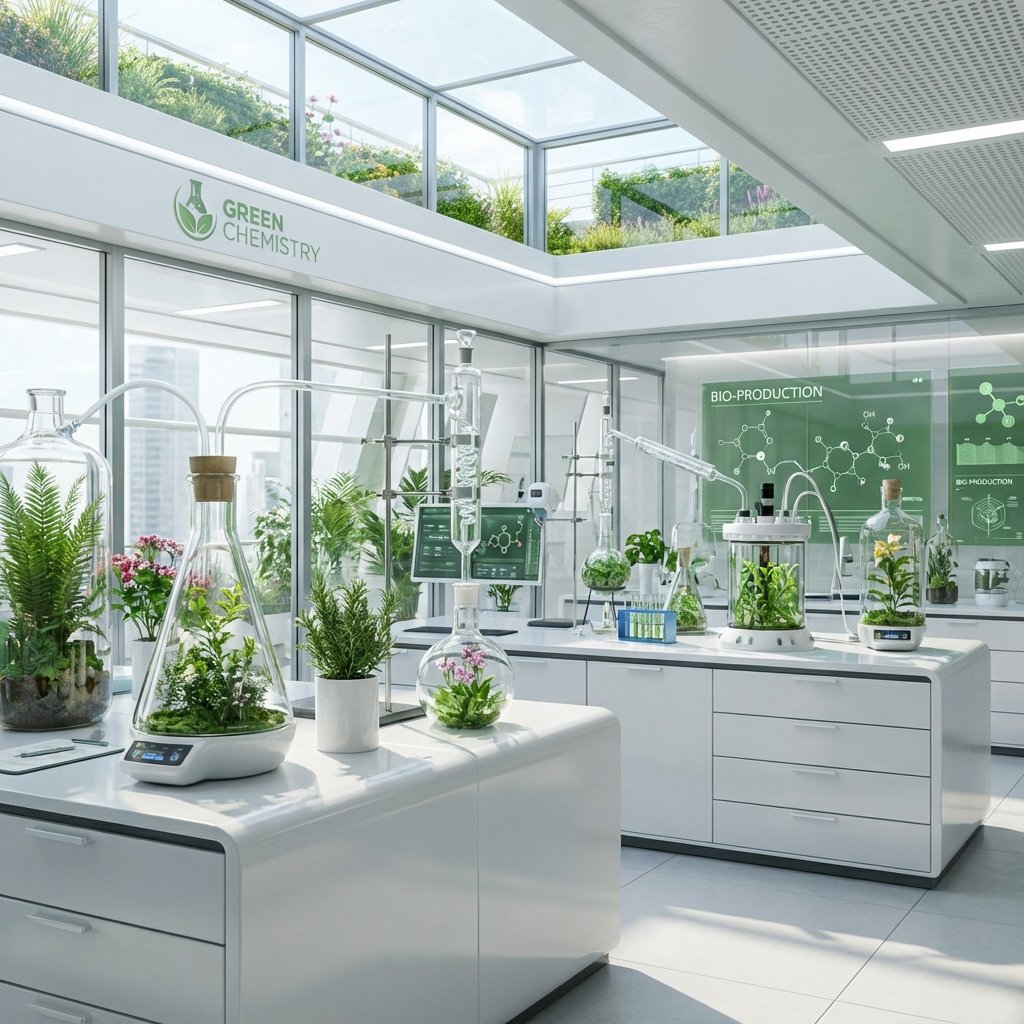
    Chemistry is the backbone of modern industry, but it needs a green makeover. Bio-based chemicals, produced via industrial biotechnology, offer a path to significantly lower emissions and reduced reliance on petrochemicals.

    Key Metrics

    • 30–50%: Lower process emissions for bio-based chemicals compared to fossil equivalents.

    Core Content

    The Challenge

    Most chemicals today are derived from oil and gas. Decarbonizing this sector is notoriously difficult but essential for reaching net-zero goals.

    The Solution

    The strategy promotes „Green Chemistry”—using enzymes and microorganisms to produce chemicals.
    * Scale-Up: Supporting the industrialization of biotechnology.
    * Market Pull: Considering bio-based content requirements for certain products.
    * Efficiency: Utilizing microbial processes that often require less energy than traditional chemical synthesis.

    The Impact

    Bio-based chemicals deliver:
    * Massive carbon footprint reductions (up to 50%).
    * Strategic autonomy by replacing imported petrochemicals with European biomass.
    * Safer, more sustainable ingredients for pharmaceuticals, cosmetics, and industry.

    Source: EU Bioeconomy Strategy

  • Sustainable Style: The Bio-Textile Shift

    Sustainable Style: The Bio-Textile Shift

    Executive Summary

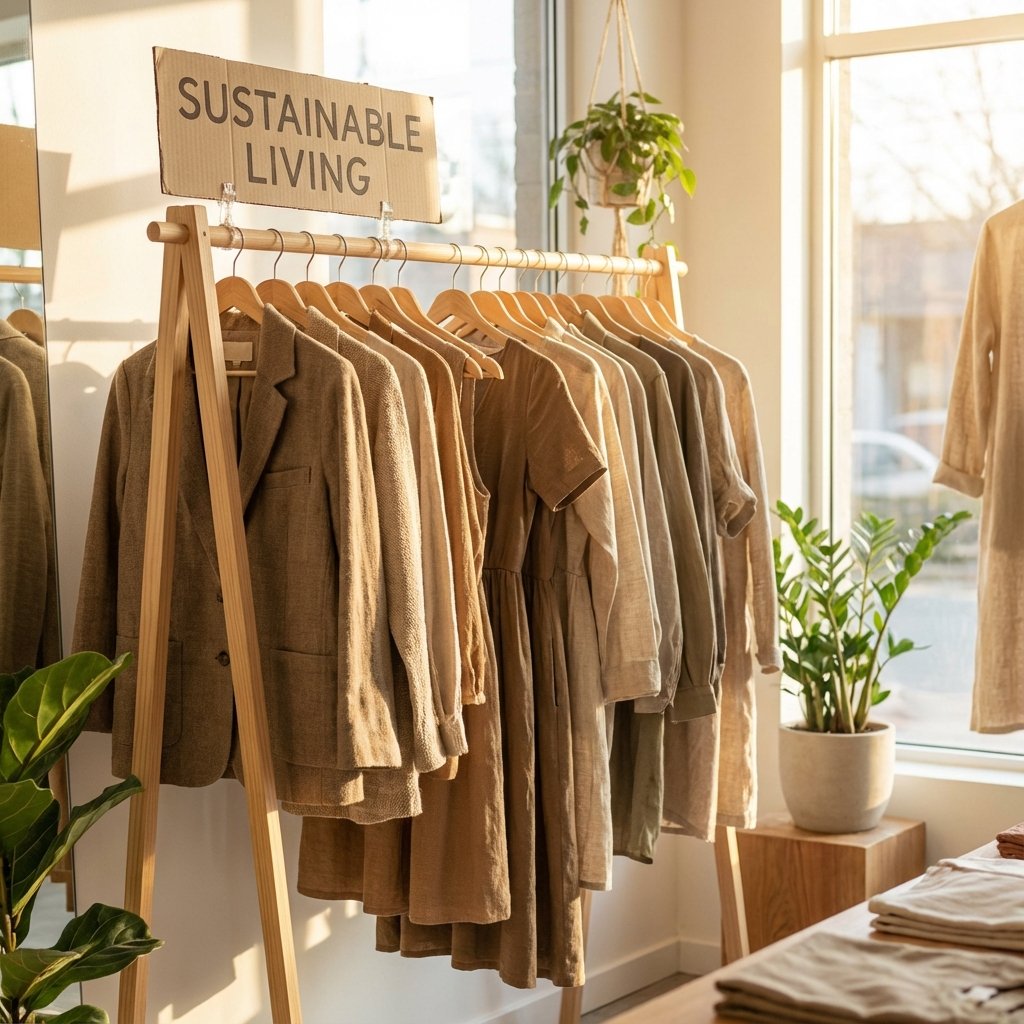
    Fast fashion has a heavy environmental price tag. The bioeconomy offers a stylish alternative: textiles made from sustainably managed forests and natural fibers like hemp and flax, supporting a circular and regional fashion industry.

    Key Metrics

    • 2027-2028: ESPR delegated acts on eco-design requirements for textiles.

    Core Content

    The Challenge

    The textile industry is a major polluter, often relying on synthetic fibers (microplastics) or water-intensive crops. Consumers want sustainable options, but „greenwashing” makes it hard to choose.

    The Solution

    The EU is championing bio-based textiles—both natural fibers (wool, flax, hemp) and man-made cellulosic fibers (from wood).
    * Ecodesign Rules: The Ecodesign for Sustainable Products Regulation (ESPR) will set strict performance and durability standards.
    * Transparency: The Product Environmental Footprint (PEF) will be updated to better reflect the benefits of bio-based fibers, like microplastic avoidance.
    * Local Chains: Supporting EU wool processing and farmer income diversification.

    The Impact

    This shift promises:
    * Traceable, regionally rooted supply chains.
    * Reduced microplastic release.
    * Revitalization of rural regions through flax and hemp cultivation.
    * High-quality, durable clothing that respects the planet.

    Source: EU Bioeconomy Strategy

  • Beyond Fossils: The Future of Plastics & Packaging

    Beyond Fossils: The Future of Plastics & Packaging

    Executive Summary

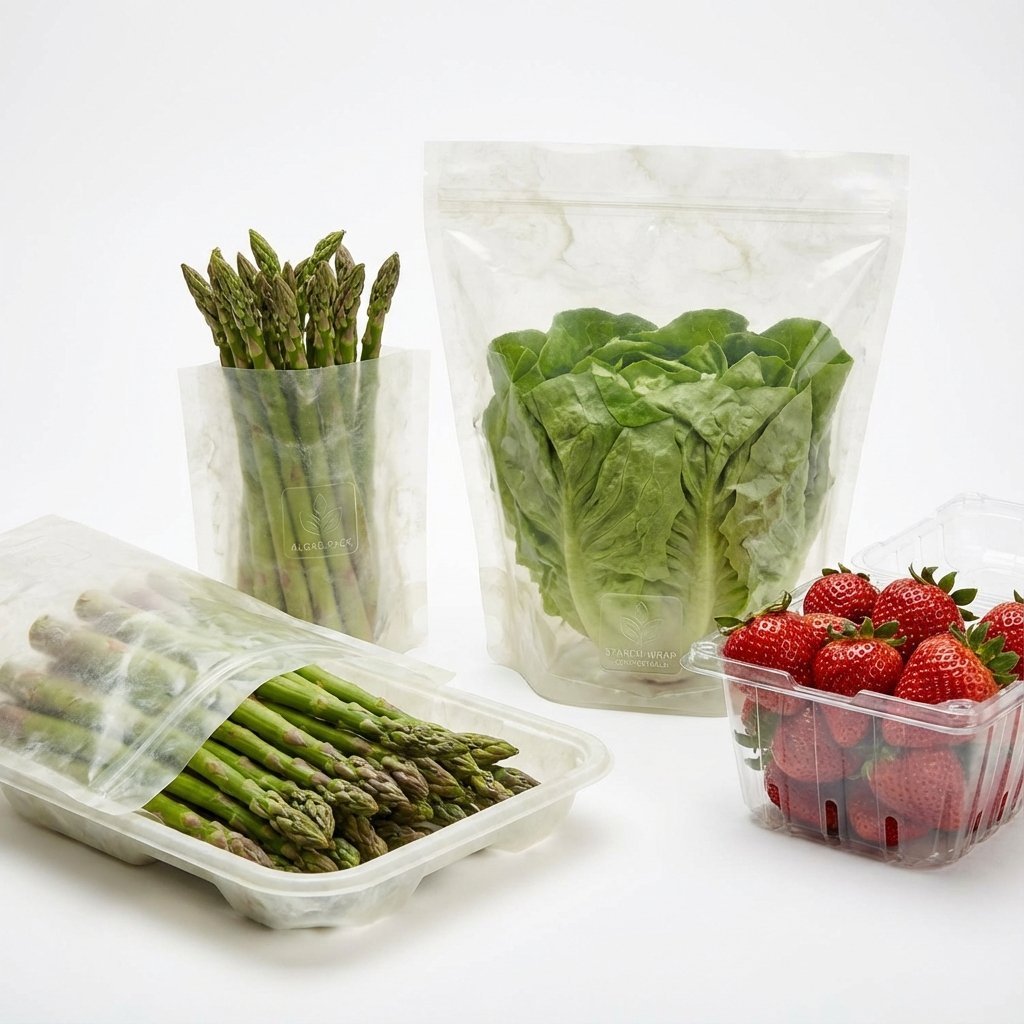
    Plastic is everywhere, and most of it is fossil-based. The EU is pushing for a shift to bio-based plastics and polymers, using renewable resources like starch and algae to create packaging that is both functional and sustainable.

    Key Metrics

    • 2027: Adoption of criteria and targets for bio-based plastics under the Packaging and Packaging Waste Regulation.
    • 24%: Percentage of biomass used for materials in Europe (2022).

    Core Content

    The Challenge

    Conventional plastics have a massive carbon footprint and rely on finite fossil resources. While recycling is crucial, we also need to change the raw material itself to break free from oil dependency.

    The Solution

    The strategy identifies bio-based plastics as a „lead market.” This means replacing fossil feedstocks with renewable ones like lignin, starch, or algae. The EU will:
    * Set Targets: Introduce criteria for bio-based content in packaging.
    * Standardize: Create EU-wide definitions to support certification and scaling.
    * Innovate: Support research into novel materials and AI-assisted design.

    The Impact

    Switching to bio-based plastics offers multiple wins:
    * Lower carbon footprint.
    * Reduced import dependency for chemical feedstocks.
    * New value creation for local biomass producers.
    * Development of biodegradable options for specific applications.

    Source: EU Bioeconomy Strategy

  • Bridging the Valley of Death: Financing the Future

    Bridging the Valley of Death: Financing the Future

    Executive Summary

    Great ideas die without funding. The bioeconomy faces two critical „valleys of death” where investment dries up. The EU is mobilizing public and private finance to build a bridge from the lab to industrial scale.

    Key Metrics

    • EUR 10 billion: Target value for the ‘Bio-based Europe Alliance’ collective purchasing by 2030.
    • 2.9: Indirect jobs created for every job in the European bioeconomy industry.

    Core Content

    The Challenge

    Bioeconomy startups face a double jeopardy:
    1. The First Valley: Moving from demonstration to first commercial production. It’s risky and expensive.
    2. The Second Valley: Scaling up to full industrial production. This requires massive capital (CAPEX) and certainty that someone will buy the product.

    The Solution

    To cross these valleys, the strategy proposes a multi-pronged financial attack:
    * De-risking Investments: Using EU funds (like the European Competitiveness Fund) to share the risk with private investors.
    * Bio-based Europe Alliance: A voluntary group of corporations committing to buy EUR 10 billion of bio-based products, guaranteeing a market for new producers.
    * Bioeconomy Investment Deployment Group: Bringing together the EIB, national banks, and private investors to create a pipeline of „bankable” projects.

    The Impact

    By providing both the capital to build factories and the certainty of future sales, these measures aim to unlock private investment. This will allow Europe to build the biorefineries and biomanufacturing plants needed to replace fossil-based industries at scale.

    Source: EU Bioeconomy Strategy

  • Unlocking Innovation: The EU Biotech Acts

    Unlocking Innovation: The EU Biotech Acts

    Executive Summary

    Innovation often hits a wall of red tape. To unleash the potential of the bioeconomy, the EU is introducing the „Biotech Acts” to simplify regulations, speed up approvals, and create a playground for testing new ideas.

    Key Metrics

    • 2025: Planned adoption of the Biotech Acts.
    • 1Q 2026: Establishment of the European Bioeconomy Regulators and Innovators’ Forum.

    Core Content

    The Challenge

    Currently, bringing a novel bio-based product to market in the EU is a complex obstacle course. Divergent national rules and uncertainty about how to classify new products (is it a chemical? a food? a material?) create delays and fragmentation. This drives innovation to other markets like the US or China.

    The Solution

    The strategy introduces the EU Biotech Acts, designed to be a game-changer. Key measures include:
    * Regulatory Sandboxes: Safe spaces to test innovative products without the full burden of existing regulations.
    * Fast-Track Approvals: Accelerated procedures for microbial solutions and biomanufacturing.
    * One-Stop Shop: A single online entry point for companies to submit information, avoiding duplication.
    * Regulators’ Forum: A new body to coordinate risk assessments and solve classification headaches early on.

    The Impact

    These changes aim to drastically reduce the „time-to-market” for new innovations. By making the regulatory environment predictable and agile, the EU hopes to keep its world-class science at home, turning lab discoveries into industrial realities that create jobs and value within Europe.

    Source: EU Bioeconomy Strategy 

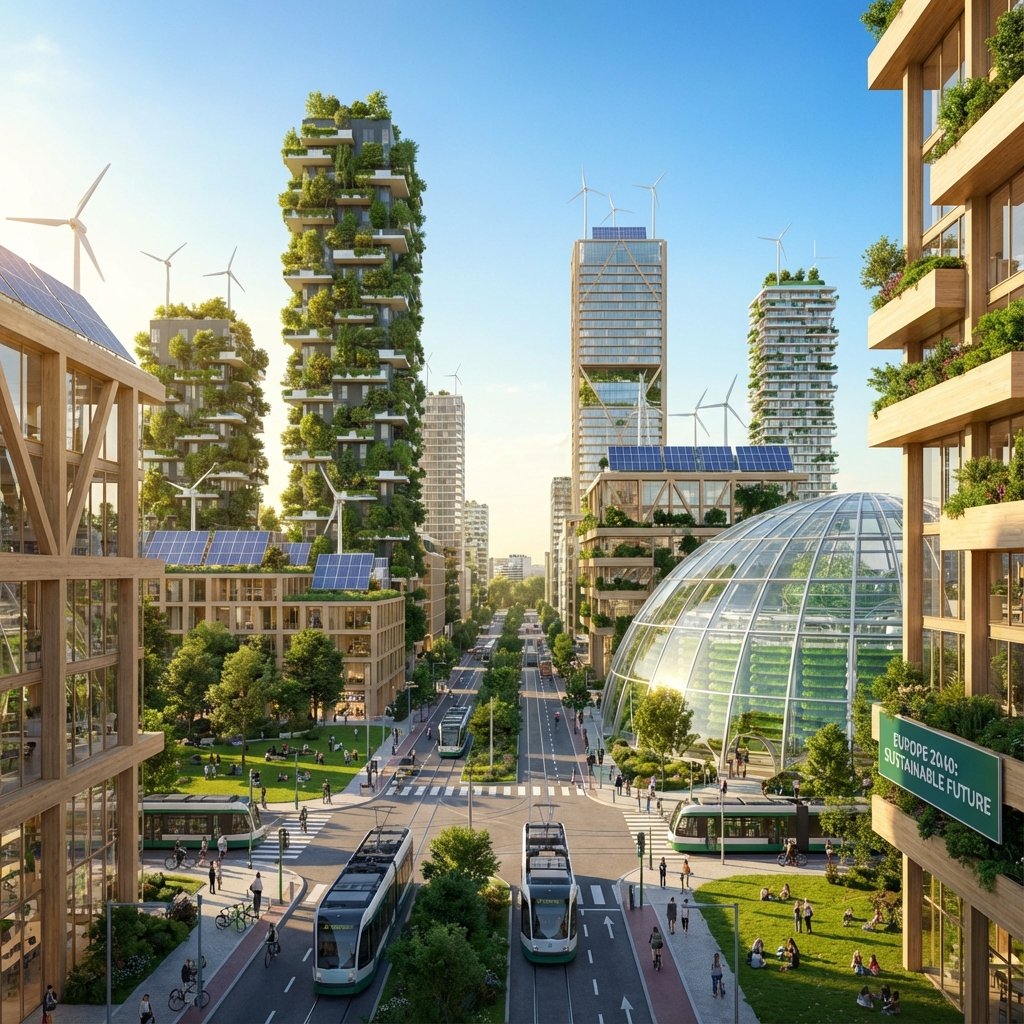
  • The Bioeconomy Revolution: A Vision for 2040

    The Bioeconomy Revolution: A Vision for 2040

    Executive Summary

    The 21st century presents a unique opportunity to reshape our economy. The EU’s new bioeconomy strategy envisions a future where biological resources replace fossil fuels, driving green growth, competitiveness, and resilience across Europe.

    Key Metrics

    • EUR 2.7 trillion: Estimated value of the EU bioeconomy in 2023.
    • 17.1 million: People employed in biomass producing and converting activities (8% of EU jobs).
    • EUR 863 billion: Value added generated by the bioeconomy (5% of EU GDP).
    • EUR 23.2 billion: R&D investment in bioeconomy-related sectors in 2023.

    Core Content

    The Challenge

    Europe faces the dual challenge of decarbonizing its economy while maintaining industrial competitiveness. Reliance on imported fossil-based products threatens our strategic autonomy and contributes to climate change. We need a shift that supports economic prosperity without compromising planetary boundaries.

    The Solution

    The „Strategic Framework for a Competitive and Sustainable EU Bioeconomy” proposes a comprehensive shift towards using renewable biological resources. This isn’t just about agriculture; it spans forestry, fisheries, biomanufacturing, and biotechnologies. The vision for 2040 is a Europe where sustainable bio-based materials—from construction timber to bio-plastics—are the norm, not the exception.

    The Impact

    By 2040, this transition aims to:
    * Create stable income streams for rural and coastal communities.
    * Reduce dependence on fossil fuels and imported raw materials.
    * Position Europe as a global leader in sustainable technologies.
    * Ensure that economic growth goes hand-in-hand with ecosystem restoration.

    Source: EU Bioeconomy Strategy