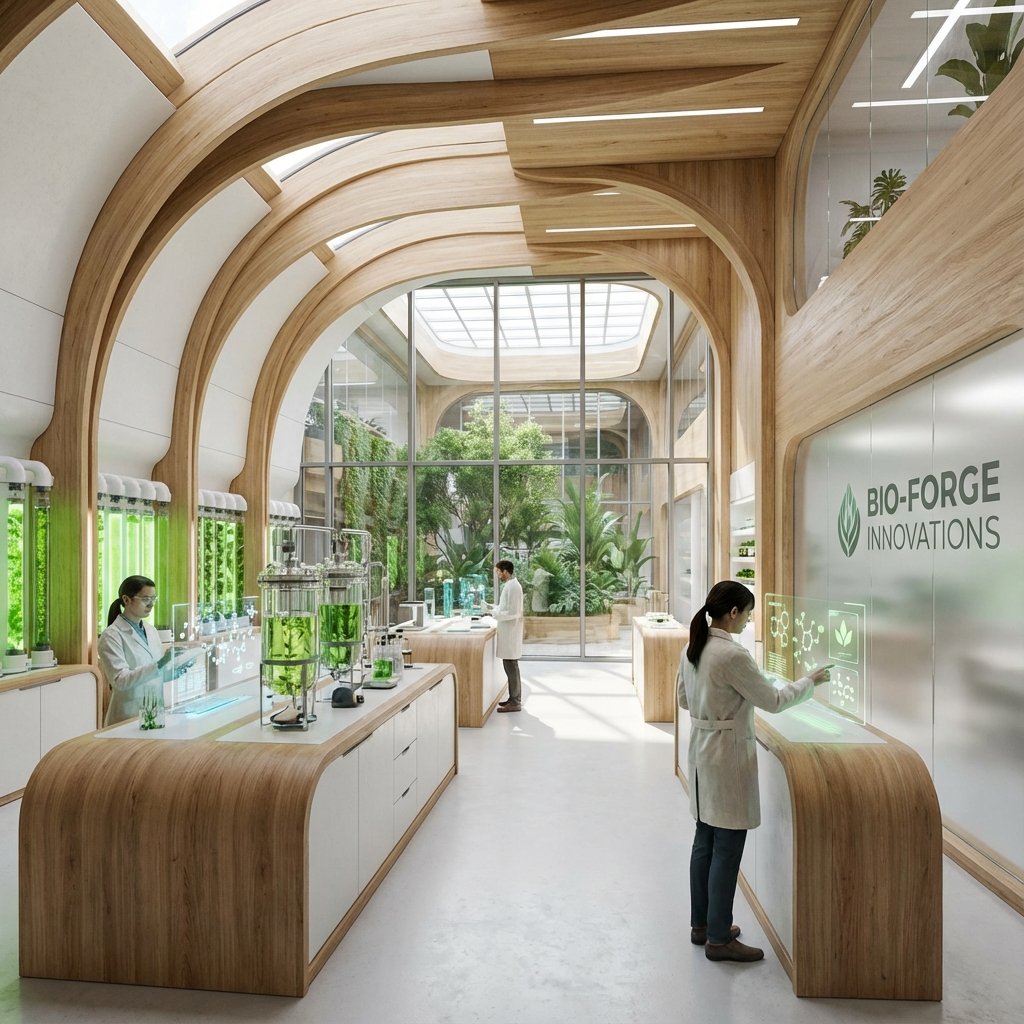
As we move towards a more sustainable global economy, the role of biodegradable polymers has never been more critical. From replacing single-use plastics to revolutionizing medical implants, these materials are at the forefront of the green revolution. In this article, we explore the current state, future opportunities, and the challenges that lie ahead for biodegradable polymers in 2025 and beyond.
Current State of Biodegradable Polymers
The biodegradable polymer market has seen exponential growth over the last decade. Driven by increasing consumer awareness and stringent government regulations against plastic waste, industries are rapidly adopting bio-based alternatives. Materials like PLA (Polylactic Acid), PHA (Polyhydroxyalkanoates), and starch-based blends are now becoming standard in packaging, agriculture, and consumer goods.
However, „biodegradable” does not always mean „compostable” in a backyard setting. Understanding the distinction between industrial compost ability and home compost ability remains a key educational hurdle for the industry.
Technology Advances
Technological innovation is unlocking new possibilities for biopolymers:
- Advanced PHAs: New fermentation processes are making PHAs more cost-effective and versatile, allowing them to mimic the properties of traditional polypropylene more closely.
- Smart Biopolymers: Researchers are developing polymers that can change properties based on environmental stimuli (e.g., pH or temperature), making them ideal for smart packaging and controlled-release agricultural systems.
- Enhanced Durability: One of the historical drawbacks of bioplastics was their brittleness or lack of heat resistance. New additives and blending techniques are solving these issues without compromising biodegradability.
Market Opportunities
The shift away from fossil-fuel-based plastics presents massive opportunities:
- Packaging Sector: This remains the largest market. With the EU and other regions banning certain single-use plastics, the demand for certified biodegradable food packaging is skyrocketing.
- Agriculture: Biodegradable mulch films that can be plowed into the soil after harvest eliminate the need for retrieval and disposal, saving labor and reducing waste.
- Medical Applications: Bio-resorbable sutures and implants continue to be a high-value niche, with research expanding into tissue engineering scaffolds.
Technical Challenges
Despite the optimism, significant challenges remain:
- Cost of Production: Biopolymers are often 2-3 times more expensive than their conventional counterparts. Economies of scale are helping, but the price gap needs to narrow further for widespread adoption.
- Performance Trade-offs: While improving, some bioplastics still struggle to match the barrier properties (oxygen and moisture resistance) of PET or PE, which is critical for food preservation.
- End-of-Life Infrastructure: Without adequate industrial composting facilities, many biodegradable plastics end up in landfills where they may degrade inefficiently or release methane.
Industry Outlook
The future looks bright but requires a concerted effort. By 2030, analysts predict the global biodegradable plastic market could triple in value. We expect to see a consolidation of material types, with a few winning chemistries dominating the market, similar to how PE and PP dominate today.
Collaboration between material scientists, waste management facilities, and policymakers will be the linchpin of success. We are moving from a „linear” take-make-waste model to a truly circular bioeconomy.
How to Get Involved
For businesses looking to transition:
1. Audit your current material usage: Identify „low-hanging fruit” where bioplastics can easily replace conventional ones (e.g., packaging inserts, bags).
2. Partner with certified suppliers: Ensure your materials meet standards like EN 13432 or ASTM D6400.
3. Educate your customers: clearly label products to ensure they are disposed of correctly.
Conclusion
The journey of biodegradable polymers is just beginning. While challenges in cost and infrastructure persist, the trajectory is clear: the future is bio-based. At Ekopolimeras, we are committed to being part of this transition, offering high-quality, sustainable polymer solutions that don’t compromise on performance. The opportunities for innovation are boundless, and the time to act is now.




Parašykite komentarą