Executive Summary
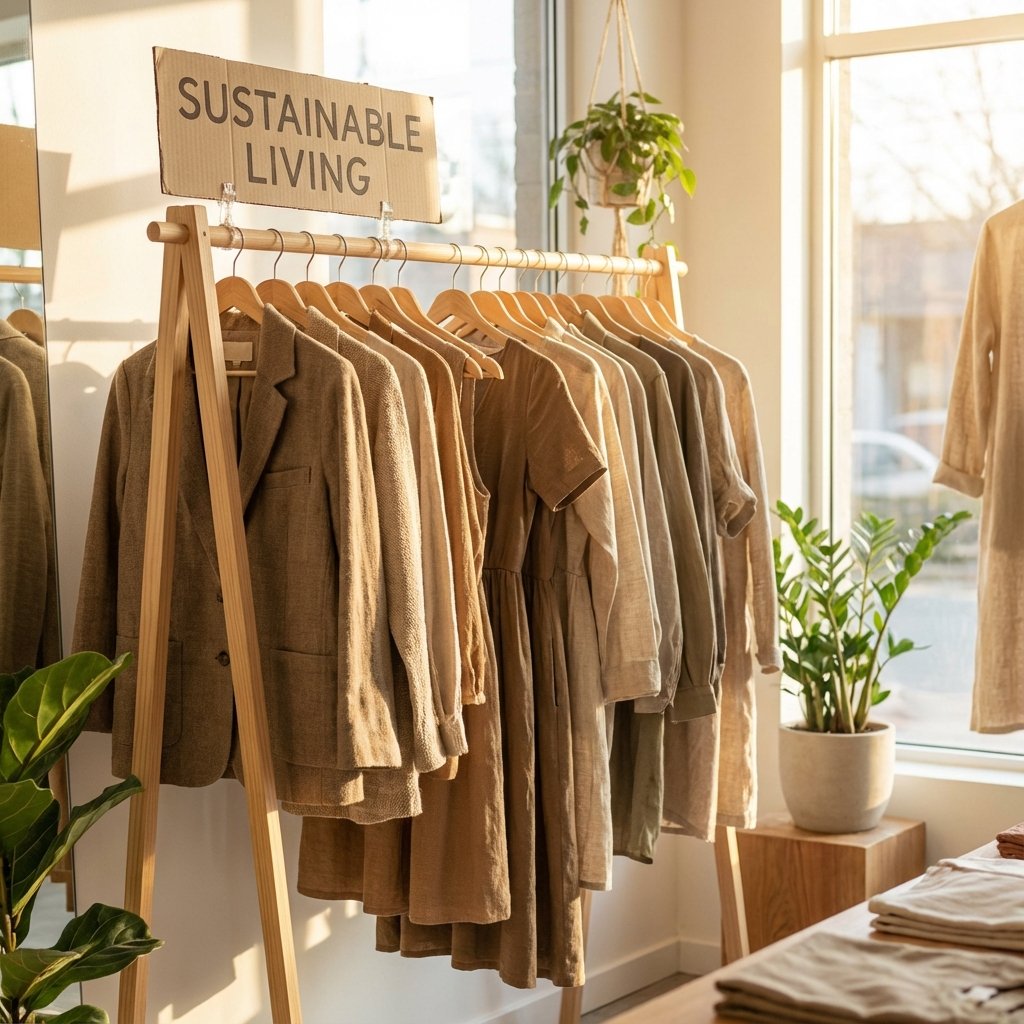
Fast fashion has a heavy environmental price tag. The bioeconomy offers a stylish alternative: textiles made from sustainably managed forests and natural fibers like hemp and flax, supporting a circular and regional fashion industry.
Key Metrics
- 2027-2028: ESPR delegated acts on eco-design requirements for textiles.
Core Content
The Challenge
The textile industry is a major polluter, often relying on synthetic fibers (microplastics) or water-intensive crops. Consumers want sustainable options, but „greenwashing” makes it hard to choose.
The Solution
The EU is championing bio-based textiles—both natural fibers (wool, flax, hemp) and man-made cellulosic fibers (from wood).
* Ecodesign Rules: The Ecodesign for Sustainable Products Regulation (ESPR) will set strict performance and durability standards.
* Transparency: The Product Environmental Footprint (PEF) will be updated to better reflect the benefits of bio-based fibers, like microplastic avoidance.
* Local Chains: Supporting EU wool processing and farmer income diversification.
The Impact
This shift promises:
* Traceable, regionally rooted supply chains.
* Reduced microplastic release.
* Revitalization of rural regions through flax and hemp cultivation.
* High-quality, durable clothing that respects the planet.
Source: EU Bioeconomy Strategy
Discover Sustainable Materials
Support eco-friendly innovation.
❮
❯
Hempy
Discover Hempy's biodegradable PLA and hemp bioplastic, the perfect sustainable materials for 3D printing and injection molding. Strong, natural, and eco-friendly options for your projects.
Shop Now
Supa Flow
Discover our versatile biodegradable bioplastic designed for 3D printing and injection molding. Made from wood and natural binders, this certified biodegradable material is perfect for eco-friendly applications.
Shop Now
Spaliai
Discover the versatility of hemp hurds (chaff) as a natural material for construction, animal bedding, and soil improvement. Explore sustainable building materials that benefit the environment.
Shop Now
Pluoštas
Discover the benefits of natural hemp fibers for textiles and various industrial applications. Explore how hemp fibers are revolutionizing industries with their sustainability and versatility.
Shop Now
Kanapbetonis
Discover Hemplime, a natural and sustainable building material made from hemp. Explore the benefits of hempcrete and how it contributes to healthy, long-lasting construction solutions.
Shop Now
SeaWeed Foam
Discover the benefits of seaweed foam, a non-toxic and biodegradable packaging filler made from natural seaweeds. Perfect for sustainable packaging solutions!
Shop Now
HempForma
Discover Hempforma, the innovative acoustic panel made from hemp and natural binders. With exceptional and programmable acoustic properties, it’s perfect for climate conscious design seeking excellence in sound quality.
Shop Now
View All Products →







Parašykite komentarą