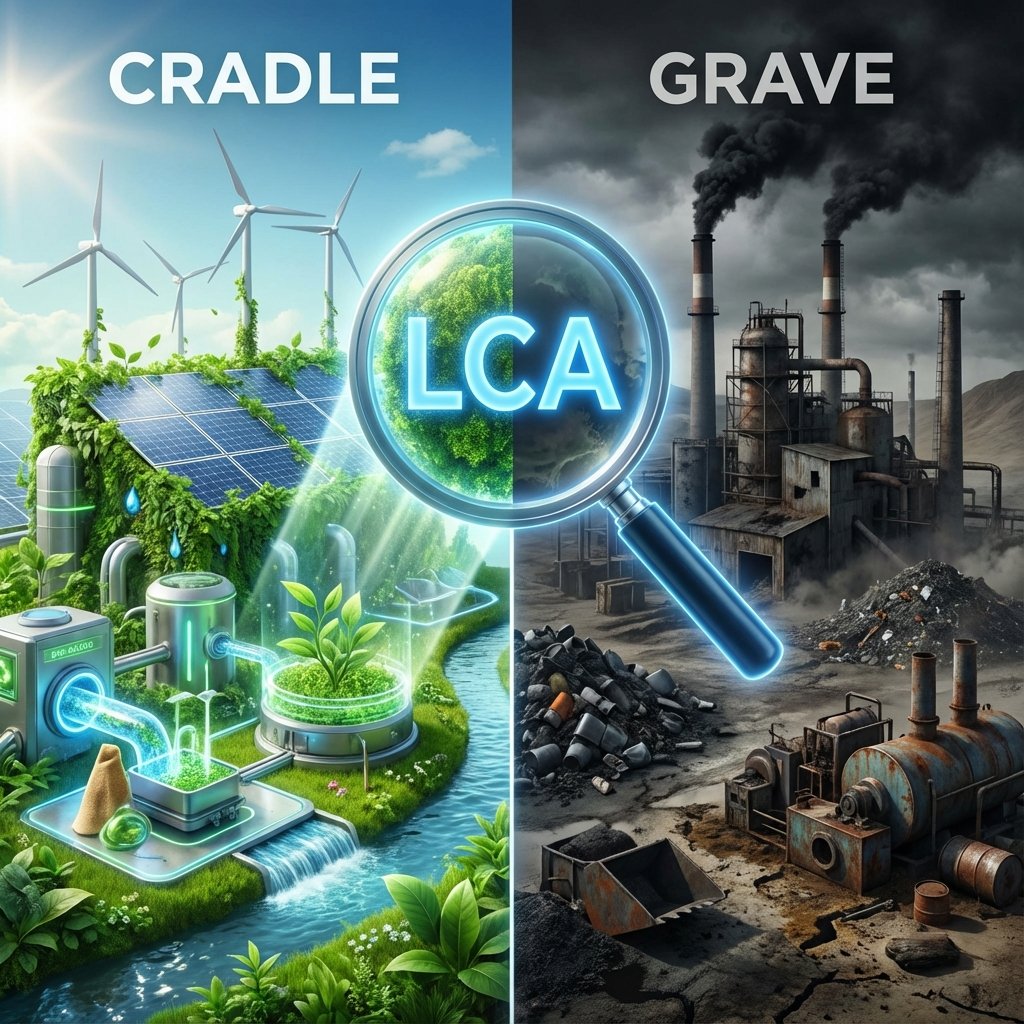
It’s the annual holiday debate: Is it more sustainable to cut down a real tree or buy a reusable plastic one? As we explore the world of polymers, this question offers a perfect case study in lifecycle analysis (LCA) and the complexity of „sustainable” choices.
The Artificial Tree (PVC & PE)
Most artificial Christmas trees are made from Polyvinyl Chloride (PVC) or Polyethylene (PE) plastics, often supported by a metal frame.
The Environmental Cost
- Production: Manufacturing these trees is energy-intensive and relies on fossil fuels.
- Transport: The vast majority are manufactured in Asia, contributing significantly to shipping emissions before they even reach your home.
- Disposal: Because they are a mix of metal and complex plastics, artificial trees are extremely difficult to recycle. Most end up in landfills.
The Break-Even Point
However, polymers have a superpower: durability.
Studies suggest that simply using an artificial tree for a few years isn’t enough to offset its carbon footprint compared to a real tree.
* The Magic Number: You generally need to use an artificial tree for at least 10 years (some studies say up to 20) to make it a more climate-friendly option than buying a new real tree every year.
The Real Tree (Nature’s Polymer)
Real trees are, biologically speaking, made of natural polymers like cellulose and lignin.
The Benefits
- Carbon Capture: While growing, these trees absorb CO2 and support local ecosystems.
- Renewable: For every tree harvested, farmers typically plant 1-3 new seedlings.
- Biodegradable: At the end of the season, a real tree can be mulched or composted, returning nutrients to the soil.
The Downside
- If a real tree is sent to a landfill instead of being composted, it decomposes anaerobically, releasing methane—a potent greenhouse gas—drastically increasing its carbon footprint.
Indoor Climate Benefits
Beyond the environmental impact, a real Christmas tree offers surprising benefits for your home’s indoor climate:
* Air Purification: As a living plant, it continues to absorb carbon dioxide and other indoor pollutants, releasing fresh oxygen into your home.
* Phytoncides: Conifers release natural airborne chemicals called phytoncides, which have been shown to reduce stress hormones and boost the immune system.
* Humidity Regulation: A well-watered tree transpires moisture, acting as a natural humidifier that helps combat dry indoor air typical of winter heating.
* Aromatherapy: The signature scent of pine or fir is more than just festive; it is known to have calming effects, helping to reduce fatigue and tension during the busy holiday season.
* Microbiome Diversity: Bringing a bit of the forest indoors introduces a diverse but generally harmless microbiome, which can be beneficial for immune system training—a concept similar to „forest bathing”.
Sustainable Decoration: A Polymer Shift
Beyond the tree, our ornaments are often cheap, single-use plastics. But the shift to sustainable polymer decorations is growing:
* Bio-based Baubles: 3D printed ornaments made from PLA (corn starch) are becoming popular eco-friendly alternatives.
* Recycled Plastics: DIY decorations using recycled HDPE (from bottle caps) or PET offer a fun way to upcycle waste into festive cheer.
* Durability: High-quality polymer clay or durable acrylic decorations that last for generations are better than thin, shatter-prone plastics that are replaced annually.
The Verdict
The most sustainable choice is the one you keep.
* If you have a plastic tree, use it for as long as possible. Repair it if it breaks. Donate it if you move.
* If you buy real, ensure it is mulched or composted, not landfilled.
This Christmas, whether your polymers are natural or synthetic, mindful usage is the greatest gift to the planet.