Innovation often hits a wall of red tape. To unleash the potential of the bioeconomy, the EU is introducing the „Biotech Acts” to simplify regulations, speed up approvals, and create a playground for testing new ideas.
Key Metrics
2025: Planned adoption of the Biotech Acts.
1Q 2026: Establishment of the European Bioeconomy Regulators and Innovators’ Forum.
Core Content
The Challenge
Currently, bringing a novel bio-based product to market in the EU is a complex obstacle course. Divergent national rules and uncertainty about how to classify new products (is it a chemical? a food? a material?) create delays and fragmentation. This drives innovation to other markets like the US or China.
The Solution
The strategy introduces the EU Biotech Acts, designed to be a game-changer. Key measures include:
* Regulatory Sandboxes: Safe spaces to test innovative products without the full burden of existing regulations.
* Fast-Track Approvals: Accelerated procedures for microbial solutions and biomanufacturing.
* One-Stop Shop: A single online entry point for companies to submit information, avoiding duplication.
* Regulators’ Forum: A new body to coordinate risk assessments and solve classification headaches early on.
The Impact
These changes aim to drastically reduce the „time-to-market” for new innovations. By making the regulatory environment predictable and agile, the EU hopes to keep its world-class science at home, turning lab discoveries into industrial realities that create jobs and value within Europe.
Discover Hempy's biodegradable PLA and hemp bioplastic, the perfect sustainable materials for 3D printing and injection molding. Strong, natural, and eco-friendly options for your projects.
Discover our versatile biodegradable bioplastic designed for 3D printing and injection molding. Made from wood and natural binders, this certified biodegradable material is perfect for eco-friendly applications.
Discover the versatility of hemp hurds (chaff) as a natural material for construction, animal bedding, and soil improvement. Explore sustainable building materials that benefit the environment.
Discover the benefits of natural hemp fibers for textiles and various industrial applications. Explore how hemp fibers are revolutionizing industries with their sustainability and versatility.
Discover Hemplime, a natural and sustainable building material made from hemp. Explore the benefits of hempcrete and how it contributes to healthy, long-lasting construction solutions.
Discover the benefits of seaweed foam, a non-toxic and biodegradable packaging filler made from natural seaweeds. Perfect for sustainable packaging solutions!
Discover Hempforma, the innovative acoustic panel made from hemp and natural binders. With exceptional and programmable acoustic properties, it’s perfect for climate conscious design seeking excellence in sound quality.
The 21st century presents a unique opportunity to reshape our economy. The EU’s new bioeconomy strategy envisions a future where biological resources replace fossil fuels, driving green growth, competitiveness, and resilience across Europe.
Key Metrics
EUR 2.7 trillion: Estimated value of the EU bioeconomy in 2023.
17.1 million: People employed in biomass producing and converting activities (8% of EU jobs).
EUR 863 billion: Value added generated by the bioeconomy (5% of EU GDP).
EUR 23.2 billion: R&D investment in bioeconomy-related sectors in 2023.
Core Content
The Challenge
Europe faces the dual challenge of decarbonizing its economy while maintaining industrial competitiveness. Reliance on imported fossil-based products threatens our strategic autonomy and contributes to climate change. We need a shift that supports economic prosperity without compromising planetary boundaries.
The Solution
The „Strategic Framework for a Competitive and Sustainable EU Bioeconomy” proposes a comprehensive shift towards using renewable biological resources. This isn’t just about agriculture; it spans forestry, fisheries, biomanufacturing, and biotechnologies. The vision for 2040 is a Europe where sustainable bio-based materials—from construction timber to bio-plastics—are the norm, not the exception.
The Impact
By 2040, this transition aims to:
* Create stable income streams for rural and coastal communities.
* Reduce dependence on fossil fuels and imported raw materials.
* Position Europe as a global leader in sustainable technologies.
* Ensure that economic growth goes hand-in-hand with ecosystem restoration.
Discover Hempy's biodegradable PLA and hemp bioplastic, the perfect sustainable materials for 3D printing and injection molding. Strong, natural, and eco-friendly options for your projects.
Discover our versatile biodegradable bioplastic designed for 3D printing and injection molding. Made from wood and natural binders, this certified biodegradable material is perfect for eco-friendly applications.
Discover the versatility of hemp hurds (chaff) as a natural material for construction, animal bedding, and soil improvement. Explore sustainable building materials that benefit the environment.
Discover the benefits of natural hemp fibers for textiles and various industrial applications. Explore how hemp fibers are revolutionizing industries with their sustainability and versatility.
Discover Hemplime, a natural and sustainable building material made from hemp. Explore the benefits of hempcrete and how it contributes to healthy, long-lasting construction solutions.
Discover the benefits of seaweed foam, a non-toxic and biodegradable packaging filler made from natural seaweeds. Perfect for sustainable packaging solutions!
Discover Hempforma, the innovative acoustic panel made from hemp and natural binders. With exceptional and programmable acoustic properties, it’s perfect for climate conscious design seeking excellence in sound quality.
VDA Naujojo Europos Bauhauzo – NEB tyrimų centro tyrėja, dizainerė ir biomedžiagų ekspertė Viltė Adomavičiūtė Bukarešte pristatė tvarių biokompozitinių medžiagų kūrimo praktikas, vedė trijų dienų kūrybines dirbtuves bei skaitė pranešimą tarptautinėje konferencijoje.
Bukarešto kūrybinių industrijų centre NOD Makerspace ji vedė intensyvius mokymus „Mind Over Mater – Cannabis Edition | Workshop #1“, skirtus biokompozitinių medžiagų, ypač kanapių betono (angl. hempcrete), kūrimui. Dirbtuvėse dalyvavo architektūros studentai ir vietos gyventojai, besidomintys tvarių medžiagų taikymu šiuolaikiniame dizaine.
Dalyviai tyrinėjo pluoštinių kanapių medžiagiškumą bei jų pritaikomumą dizaine, eksperimentinėje kūryboje ir regeneracinėje medžiagotyroje. Mokymų metu jie gilinosi į žaliavos paruošimo, natūralaus pigmentavimo, presavimo, spalvų ir frakcijų komponavimo metodus ir kūrė savo biokompozitų prototipus. Iš viso sukurti 48 eksperimentiniai pavyzdžiai: – kanapių betono plokštės, – dekoratyvinės plytelės, – LEGO principu montuojamos konstrukcinės detalės ir kt.
Viltė Adomavičiūtė taip pat dalyvavo konferencijoje „Mind Over Mater – Hemp Edition“, kurioje pristatė pranešimą „Sustainable design. Hemptecture“ apie tvarių biokompozitinių medžiagų taikymą sensoriniame dizaine bei šiuolaikinėse kūrybinėse praktikose Lietuvoje. (video įrašas).
Rumunijos kanapių asociacija CANEPARO – Cluster for Industrial Hemp kartu su NOD Makerspace atstovais pristatė V. Adomavičiūtės projektą HEMPFORMA, tapusį konkurso „New European Bauhaus Prizes“ laimėtoju. Projektas sulaukė išskirtinio dėmesio dėl tvarių, žiedinės ekonomikos principais grįstų biomedžiagų dizaino sprendimų. Jo prototipai buvo eksponuojami konferencijoje „Tech Day: Shaping the Future of Polymers“, vykusioje Bukarešte spalio mėnesį.
Asociacijos CANEPARO parengtą interviu, kuriame V. Adomavičiūtė kalba apie biomedžiagų vaidmenį šiuolaikinėje ekonomikoje, tvarios architektūros ir interjero praktikas bei neuroįvairovei pritaikytas erdves, galima rasti kūrėjos Linkedin paskyroje.
Discover Hempy's biodegradable PLA and hemp bioplastic, the perfect sustainable materials for 3D printing and injection molding. Strong, natural, and eco-friendly options for your projects.
Discover our versatile biodegradable bioplastic designed for 3D printing and injection molding. Made from wood and natural binders, this certified biodegradable material is perfect for eco-friendly applications.
Discover the versatility of hemp hurds (chaff) as a natural material for construction, animal bedding, and soil improvement. Explore sustainable building materials that benefit the environment.
Discover the benefits of natural hemp fibers for textiles and various industrial applications. Explore how hemp fibers are revolutionizing industries with their sustainability and versatility.
Discover Hemplime, a natural and sustainable building material made from hemp. Explore the benefits of hempcrete and how it contributes to healthy, long-lasting construction solutions.
Discover the benefits of seaweed foam, a non-toxic and biodegradable packaging filler made from natural seaweeds. Perfect for sustainable packaging solutions!
Discover Hempforma, the innovative acoustic panel made from hemp and natural binders. With exceptional and programmable acoustic properties, it’s perfect for climate conscious design seeking excellence in sound quality.
As Europe pursues sustainability and a circular economy, hemp emerges as a game-changer. This versatile crop boasts a carbon-negative profile, rivaling young forests in sequestering CO2, and requires minimal irrigation and pesticides. Despite regulatory hurdles, hemp’s potential to drive innovation and reduce greenhouse gas emissions makes it an attractive solution for achieving the EU’s 2050 climate neutrality objective.
Hemp as a Pillar of Sustainability
As a highly versatile crop, hemp is poised to play a pivotal role in Europe’s pursuit of sustainability and a circular economy. With its impressive carbon-negative profile, hemp has the potential to sequester significant amounts of CO2 over a short growth cycle, rivaling that of young forests. This eco-friendly characteristic is further reinforced by hemp’s minimal irrigation needs and low pesticide usage, which contributes significantly to soil health and biodiversity.
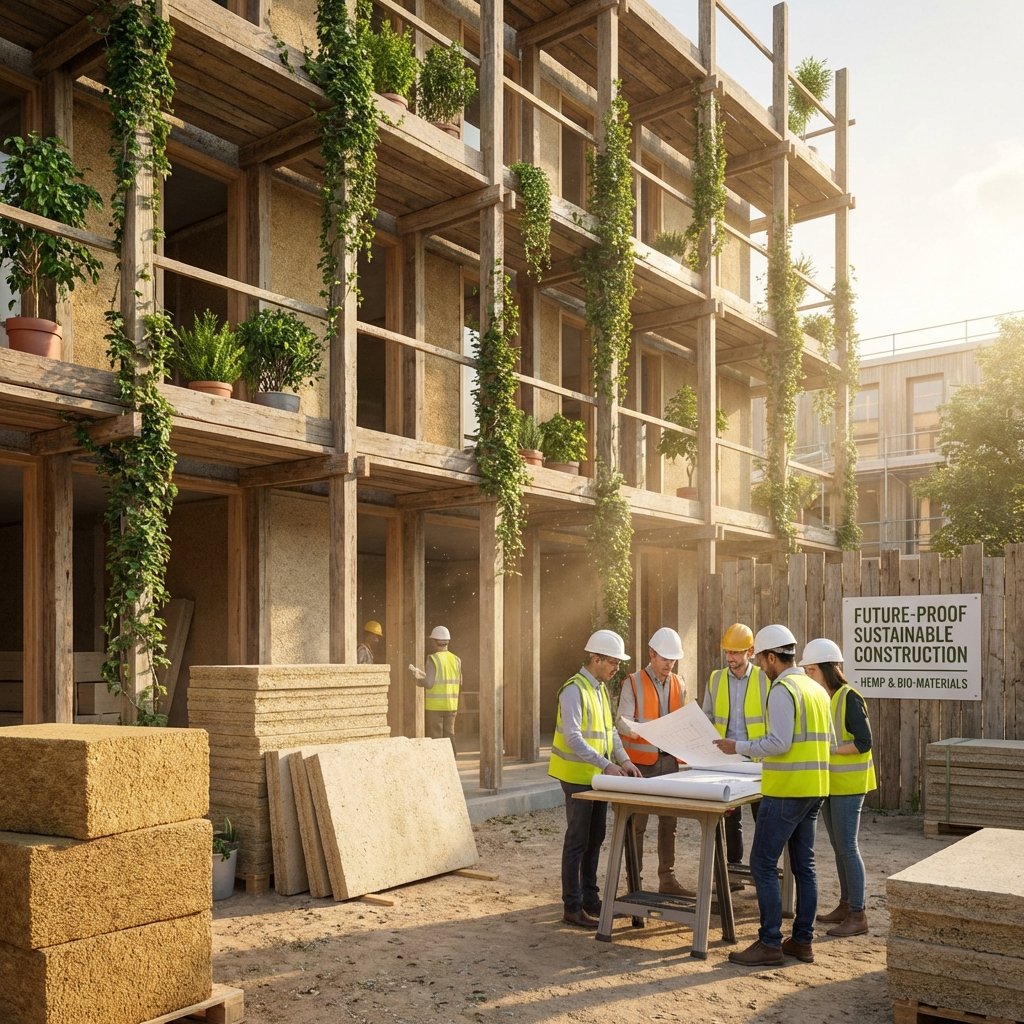
One area where hemp is particularly impactful for sustainability is in construction. The use of hemp-based materials, such as ‘hempcrete’ (lime-hemp concrete), offers a tangible solution for reducing the carbon footprint of the construction sector. As one of Europe’s largest consumers of energy, the adoption of hemp-based insulation materials could significantly contribute to achieving the EU’s 2050 climate neutrality objective.
Hemp’s circular bioeconomy model is also noteworthy, as every part of the plant can be utilized: seeds for nutritional food products, fibers for sustainable textiles and bioplastics, and shives (inner woody core) for construction materials. This ‘zero-waste’ approach aligns with the EU’s vision for a more environmentally conscious economy. However, despite hemp’s clear environmental mandate, realizing its full potential remains hampered by inconsistent regulatory frameworks, particularly when it comes to Cannabidiol (CBD). The European Commission’s classification of cannabinoids as ‘Novel Foods’ creates barriers for food supplements and edibles containing CBD, limiting common access for consumers.
Derivative Markets and the Challenge of Common Access
The potential of hemp and its derivatives to drive sustainability in European markets is hindered by a fragmented regulatory framework that creates friction between the plant’s immense benefits and market reality. The EU’s vision of common, accessible access for all citizens is compromised due to inconsistent rules governing consumer products containing Cannabidiol (CBD), a key derivative of hemp.
The classification of cannabinoids as ‘Novel Foods’ by the European Commission adds complexity to the regulatory landscape. This label applies to food supplements and edibles containing CBD, limiting their availability in EU markets. In contrast, the limit for industrial hemp cultivation has been unified at 0.3% delta-9-tetrahydrocannabinol (THC), allowing farmers to grow a wider variety of certified seeds.
This inconsistency creates a barrier to entry for small-scale producers and entrepreneurs who wish to capitalize on hemp’s sustainability benefits. The lack of standardization also hampers the development of a robust, regulated market for CBD-based products, which are increasingly sought after for their potential health benefits. As a result, many EU citizens remain excluded from accessing these products, despite their environmental advantages.
To unlock hemp’s full potential and achieve the EU’s 2050 climate neutrality objective, it is essential to address this regulatory challenge. Implementing consistent, EU-wide regulations for CBD-based products would help level the playing field for small-scale producers and ensure that all citizens have access to sustainable, environmentally-friendly alternatives.
Regulatory Framework and Its Impact on Hemp Adoption
The regulatory framework in Europe poses a significant challenge to the adoption of hemp products, hindering the realization of its full potential. Despite being a multi-purpose crop that aligns with the European Green Deal’s ambitious targets, the fragmented regulatory environment creates friction between hemp’s immense benefits and market reality.
Hemp is an environmentally superior crop, capable of sequestering 9 to 15 tonnes of CO2 per hectare over a short five-month growth cycle. Its ‘zero-waste’ nature makes it an ideal component of the circular bioeconomy model, with every part of the plant being usable. The integration of hemp into construction is particularly impactful, offering carbon-sequestering, energy-efficient insulation materials like hempcrete. This scalable adoption pathway can help achieve the EU’s 2050 climate neutrality objective.
However, the regulatory treatment of hemp derivatives, particularly Cannabidiol (CBD), is highly inconsistent. While the EU has unified the THC limit for industrial hemp cultivation at 0.3%, ensuring farmers can grow a wider variety of certified seeds, consumer products containing CBD are classified as ‘Novel Foods’ by the European Commission. This classification creates uncertainty and complexity in the market, making it difficult for businesses to navigate and for consumers to access these potentially beneficial products.
As a result, the regulatory framework is creating friction between hemp’s immense potential and its market reality. To unlock the full benefits of hemp, the EU must work towards harmonizing its regulations, ensuring that farmers and businesses can produce and sell hemp-derived products without undue complexity or risk. This will require a concerted effort to address the inconsistencies in current laws and regulations, ultimately paving the way for common access to hemp products across Europe.
The Integration of Hemp into Construction Materials
The integration of hemp into construction materials is a game-changer for sustainability in the building industry. As one of the most powerful natural tools available, hemp offers a carbon-negative solution for decarbonization and soil regeneration. It can sequester 9 to 15 tonnes of CO2 per hectare over a short five-month growth cycle, rivaling the absorption rates of young forests. This makes it an attractive alternative to traditional building materials that contribute to greenhouse gas emissions.
Hemp-based construction materials like hempcrete are particularly impactful for sustainability. These products are carbon-sequestering, energy-efficient insulation materials that can help reduce the substantial portion of Europe’s energy consumption attributed to the construction sector. In fact, the EU’s 2050 climate neutrality objective is within reach with the scalable adoption of hemp-based materials.
However, realizing the full potential of hemp in construction faces several challenges. The regulatory treatment of its derivatives, particularly Cannabidiol (CBD), is highly inconsistent across Europe. While the EU has unified the THC limit for industrial hemp cultivation at 0.3%, ensuring farmers can grow a wider variety of certified seeds, the rules for consumer products are still unclear. This creates friction between the plant’s immense potential and its market reality.
Despite these challenges, there is growing interest in harnessing hemp’s unique properties to create sustainable construction materials. By leveraging its carbon-negative properties and energy-efficient insulation capabilities, builders can reduce their environmental footprint while creating healthier indoor spaces for occupants. As the European Green Deal continues to shape the continent’s sustainability agenda, the integration of hemp into construction materials is poised to play a significant role in achieving this goal.
Environmental Benefits of Hemp
Hemp is one of the most powerful natural tools available for decarbonization and soil regeneration. As a carbon-negative crop, it has the ability to sequester 9 to 15 tonnes of CO2 per hectare over a short five-month growth cycle, rivaling the absorption rates of young forests. This makes hemp an attractive option for reducing greenhouse gas emissions and mitigating climate change.
One of the key environmental benefits of hemp is its minimal impact on water usage and pesticide application. Unlike many other crops, hemp requires little to no irrigation, making it a highly efficient use of this precious resource. Additionally, hemp’s low need for pesticides contributes significantly to soil health, prevents erosion, and improves biodiversity. The plant’s ‘zero-waste’ nature also makes it an ideal candidate for the circular bioeconomy model, as every part of the plant is usable.
The integration of hemp into construction materials is particularly impactful for sustainability. Products like hempcrete, a type of lime-hemp concrete, are carbon-sequestering and energy-efficient insulation materials. Given that the construction sector is responsible for a substantial portion of Europe’s energy consumption and greenhouse gas emissions, the scalable adoption of hemp-based materials offers a tangible pathway toward achieving the EU’s 2050 climate neutrality objective. With its numerous environmental benefits, it’s clear that hemp has the potential to play a significant role in reducing our ecological footprint.
A Pathway to EU’s 2050 Climate Neutrality Objective
Achieving the European Union’s ambitious climate neutrality objective by 2050 requires innovative solutions that address some of the most pressing environmental challenges. One approach being explored is the integration of hemp into various sectors, including construction. Hemp has emerged as a powerful natural tool for decarbonization and soil regeneration, offering a carbon-negative crop that can sequester up to 15 tonnes of CO2 per hectare over a short five-month growth cycle.
Hemp’s potential impact on sustainability cannot be overstated. Its minimal irrigation requirements and zero pesticide use contribute significantly to soil health, preventing erosion, and improving biodiversity. Furthermore, the ‘zero-waste’ nature of hemp makes it an ideal material for the circular bioeconomy model. Every part of the plant is usable, from seeds for nutritional food products to fibers for sustainable textiles and bioplastics.
The integration of hemp into construction materials is particularly promising. Hempcrete, a type of lime-hemp concrete, has been shown to be a carbon-sequestering, energy-efficient insulation material. Given that the construction sector accounts for a substantial portion of Europe’s energy consumption and GHG emissions, the scalable adoption of hemp-based materials presents a tangible pathway toward achieving climate neutrality by 2050.
While hemp holds significant promise, ensuring common access to its derivatives remains a challenge. The inconsistent regulatory treatment of Cannabidiol (CBD) and other cannabinoids creates barriers to widespread adoption. Ensuring a unified approach to regulating hemp-derived products will be crucial in unlocking the full potential of this sustainable crop and achieving the EU’s climate neutrality objective.
Discover Hempy's biodegradable PLA and hemp bioplastic, the perfect sustainable materials for 3D printing and injection molding. Strong, natural, and eco-friendly options for your projects.
Discover our versatile biodegradable bioplastic designed for 3D printing and injection molding. Made from wood and natural binders, this certified biodegradable material is perfect for eco-friendly applications.
Discover the versatility of hemp hurds (chaff) as a natural material for construction, animal bedding, and soil improvement. Explore sustainable building materials that benefit the environment.
Discover the benefits of natural hemp fibers for textiles and various industrial applications. Explore how hemp fibers are revolutionizing industries with their sustainability and versatility.
Discover Hemplime, a natural and sustainable building material made from hemp. Explore the benefits of hempcrete and how it contributes to healthy, long-lasting construction solutions.
Discover the benefits of seaweed foam, a non-toxic and biodegradable packaging filler made from natural seaweeds. Perfect for sustainable packaging solutions!
Discover Hempforma, the innovative acoustic panel made from hemp and natural binders. With exceptional and programmable acoustic properties, it’s perfect for climate conscious design seeking excellence in sound quality.
Discover Hempy's biodegradable PLA and hemp bioplastic, the perfect sustainable materials for 3D printing and injection molding. Strong, natural, and eco-friendly options for your projects.
Discover our versatile biodegradable bioplastic designed for 3D printing and injection molding. Made from wood and natural binders, this certified biodegradable material is perfect for eco-friendly applications.
Discover the versatility of hemp hurds (chaff) as a natural material for construction, animal bedding, and soil improvement. Explore sustainable building materials that benefit the environment.
Discover the benefits of natural hemp fibers for textiles and various industrial applications. Explore how hemp fibers are revolutionizing industries with their sustainability and versatility.
Discover Hemplime, a natural and sustainable building material made from hemp. Explore the benefits of hempcrete and how it contributes to healthy, long-lasting construction solutions.
Discover the benefits of seaweed foam, a non-toxic and biodegradable packaging filler made from natural seaweeds. Perfect for sustainable packaging solutions!
Discover Hempforma, the innovative acoustic panel made from hemp and natural binders. With exceptional and programmable acoustic properties, it’s perfect for climate conscious design seeking excellence in sound quality.