Blog

  • The Roadmap: Key Actions & Timeline

    The Roadmap: Key Actions & Timeline

    Executive Summary

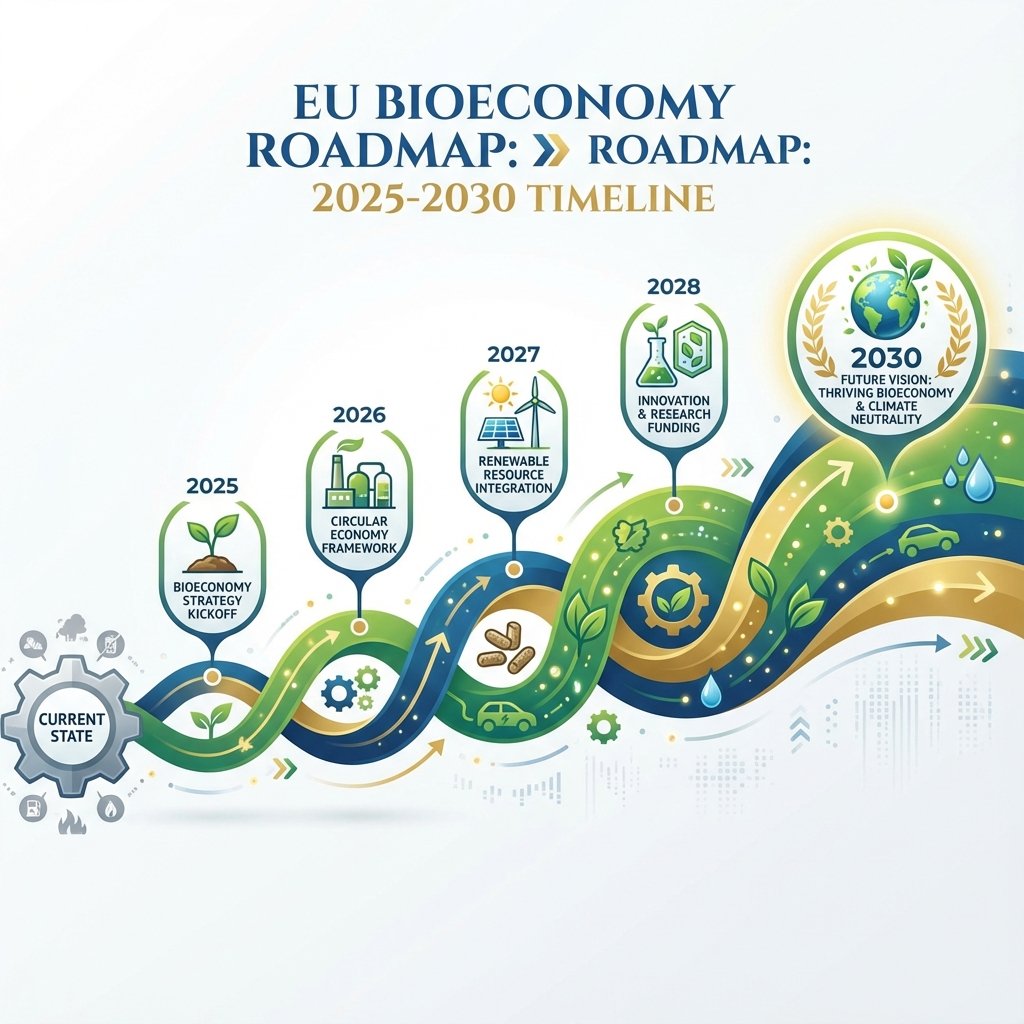
    A vision without a plan is just a dream. The EU Bioeconomy Strategy concludes with a concrete timeline of actions for 2025-2030. Here is the roadmap for the next five years.

    Key Metrics

    • 2025: Adoption of Biotech Acts.
    • 2026: Launch of Bioeconomy Investment Deployment Group.
    • 2027: Bio-based plastic targets under PPWR.
    • 2028: Commission report on strategy delivery.

    Core Content

    The Timeline

    • Immediate (2025): The regulatory framework shifts with the Biotech Acts.
    • Short Term (2026): The machinery starts moving. Investment Groups launch, Standardization work begins for construction, and Regulatory Forums open.
    • Medium Term (2027-2028): Market pull kicks in. Textile eco-design rules, packaging targets, and carbon farming markets become operational.

    The Conclusion

    This strategy is a marathon, not a sprint. By 2030, the foundations will be laid for the 2040 vision: a Europe that is competitive, resilient, and living within planetary boundaries.

    The Call to Action

    The roadmap is set. Now, it’s up to investors, innovators, and policymakers to walk the path.

    Source: EU Bioeconomy Strategy

  • Joining Forces: A Shared Responsibility

    Joining Forces: A Shared Responsibility

    Executive Summary

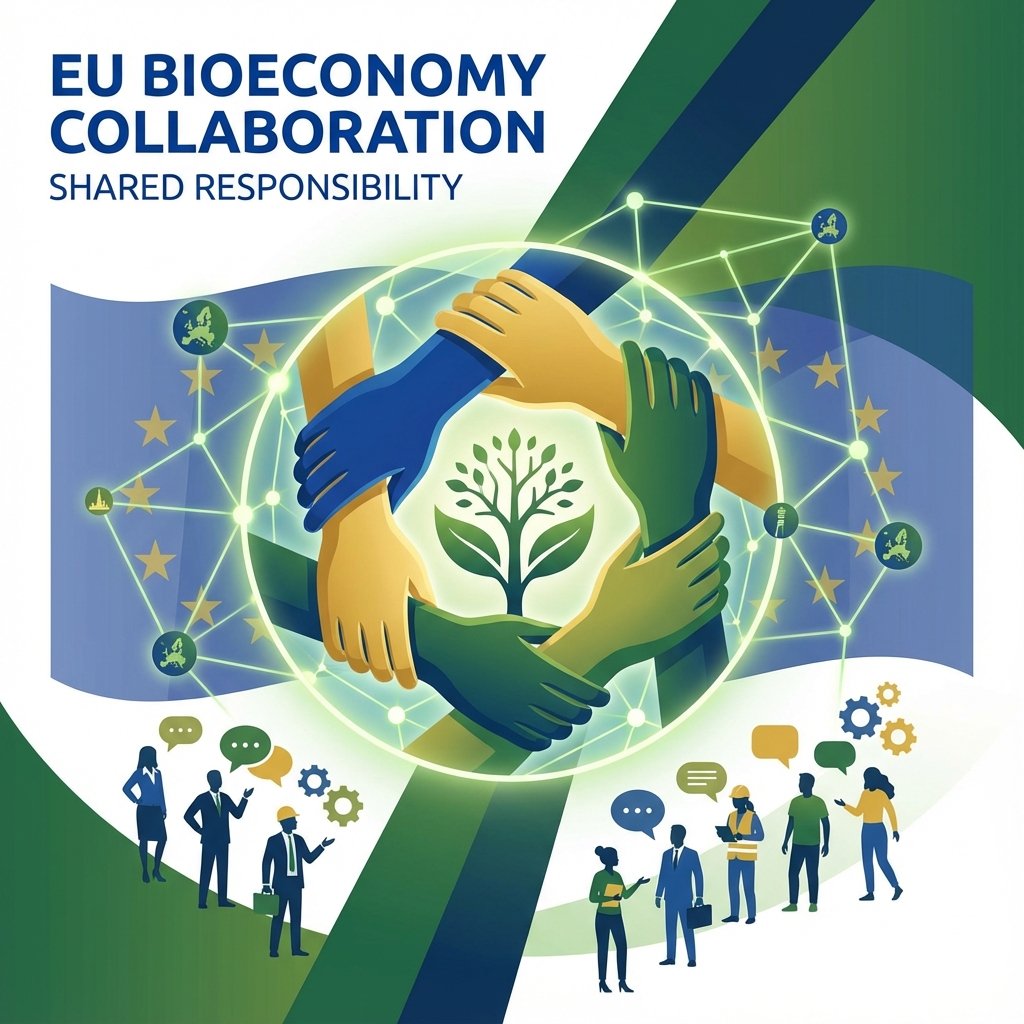
    Brussels can’t build the bioeconomy alone. It happens in regions, municipalities, and on farms. Success depends on a massive collaborative effort involving Member States, industry, youth, and civil society.

    Key Metrics

    • 2027: Launch of the Bioeconomy Policy Support Hub.

    Core Content

    The Challenge

    Europe is diverse. A forestry-based strategy for Finland won’t work for a marine-based one in Greece. A „one-size-fits-all” approach is doomed to fail.

    The Solution

    The strategy calls for Multi-Level Governance:
    * National Profiles: Encouraging Member States to identify their specific strengths (e.g., „Blue Bioeconomy Frontrunner” or „Innovation Hub”).
    * Regional Action: Regions and cities are key for local procurement and waste management.
    * Youth & Skills: Engaging the next generation through the „Bioeconomy Youth Ambassadors” and updating education curricula.

    The Impact

    • Tailored Solutions: Strategies that fit the local context.
    • Public Buy-in: Ensuring citizens understand and support the transition.
    • Workforce: Preparing people for the green jobs of the future.

    Source: EU Bioeconomy Strategy

  • Going Global: Partnerships & Trade

    Going Global: Partnerships & Trade

    Executive Summary

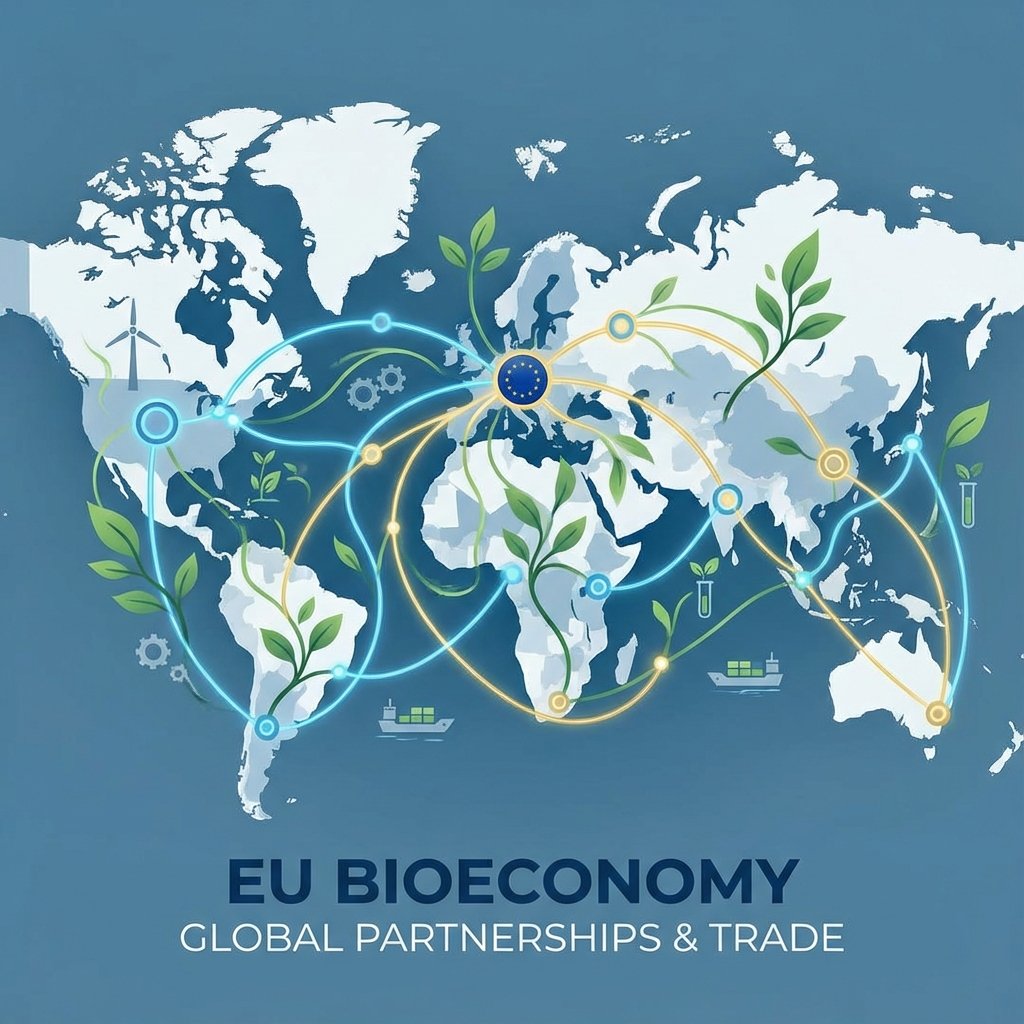
    The bioeconomy is a global game. Over 50 countries have strategies, and the race for biomass is on. The EU aims to lead not just by exporting technology, but by setting the standards for a fair and sustainable global market.

    Key Metrics

    • 50+: Countries worldwide that have adopted bioeconomy strategies.

    Core Content

    The Challenge

    Biomass is a finite global resource. There’s a risk that rich countries could „outsource” their environmental impact by importing unsustainable biomass from elsewhere.

    The Solution

    The EU strategy focuses on Strategic Partnerships:
    * Global Gateway: Investing in partner countries (e.g., in Africa) to help them build their own bioeconomy industries, rather than just extracting raw materials.
    * Fair Trade: Using trade agreements to open markets for EU bio-based products while ensuring high environmental standards.
    * International Standards: Working with the FAO and WTO to define what „sustainable” really means globally.

    The Impact

    • Global Leadership: Positioning the EU as the standard-setter.
    • Development: Helping partner countries create jobs and value locally.
    • Security: Diversifying supply chains to avoid over-reliance on any single region.

    Source: EU Bioeconomy Strategy

  • Closing the Loop: Circularity & Waste Valorization

    Closing the Loop: Circularity & Waste Valorization

    Executive Summary

    In a true bioeconomy, there is no such thing as „waste”—only resources in the wrong place. By turning agricultural residues, food waste, and processing side-streams into valuable products, we can close the loop and create a circular system.

    Key Metrics

    • 5-12%: Total national GHG emissions from the construction sector (highlighting the need for circularity in all sectors).

    Core Content

    The Challenge

    Linear economic models („take-make-dispose”) generate massive amounts of waste. Even in the bioeconomy, valuable organic matter is often discarded or inefficiently used.

    The Solution

    The strategy promotes Circularity:
    * Valorization: Turning „waste” (like straw, manure, or food scraps) into bio-gas, fertilizers, or materials.
    * Nutrient Cycles: Recovering nutrients like nitrogen and phosphorus from wastewater and manure to return them to the soil.
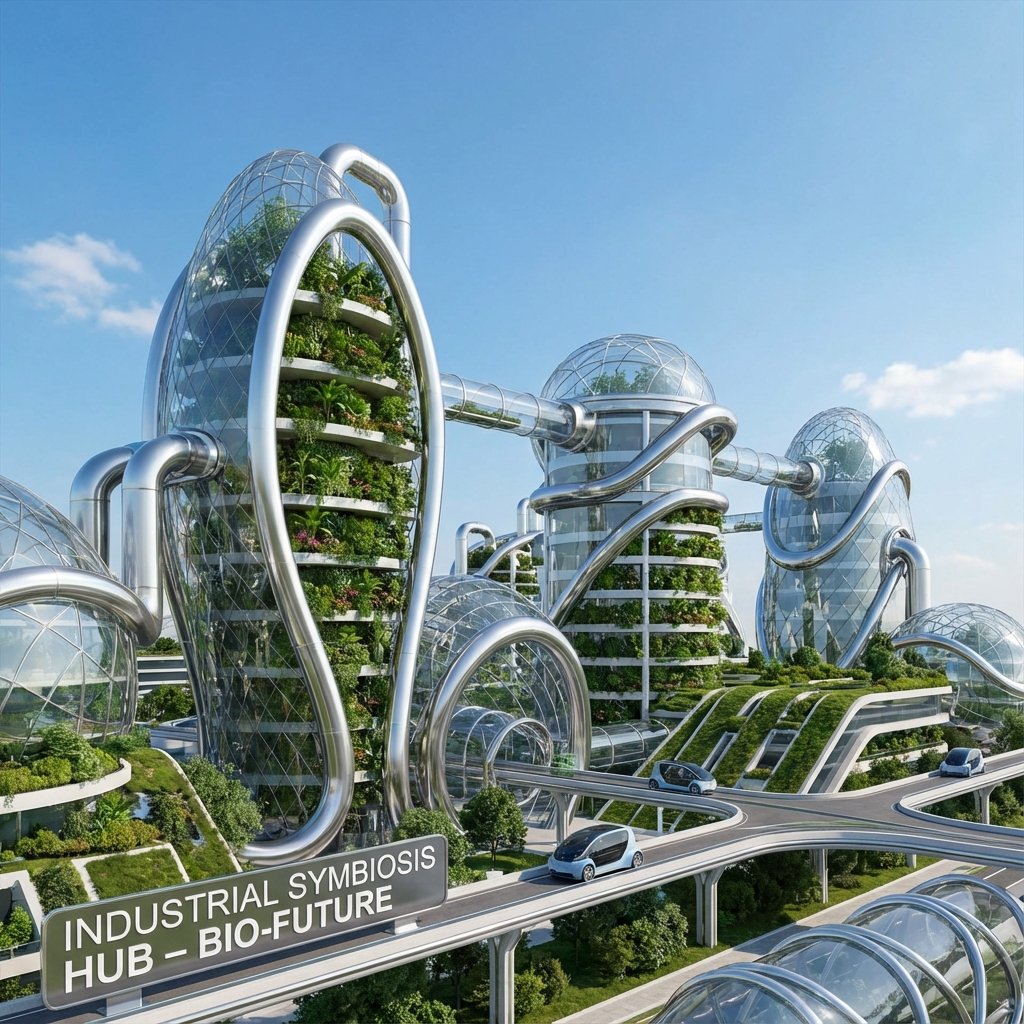
    * Industrial Symbiosis: Connecting industries so one’s waste becomes another’s feedstock.

    The Impact

    • Resource Efficiency: Getting more out of less.
    • Reduced Pollution: Preventing waste from ending up in landfills or polluting water.
    • Economic Value: Turning disposal costs into revenue streams.

    Source: EU Bioeconomy Strategy

  • Primary Producers: The Heart of the Bioeconomy

    Primary Producers: The Heart of the Bioeconomy

    Executive Summary

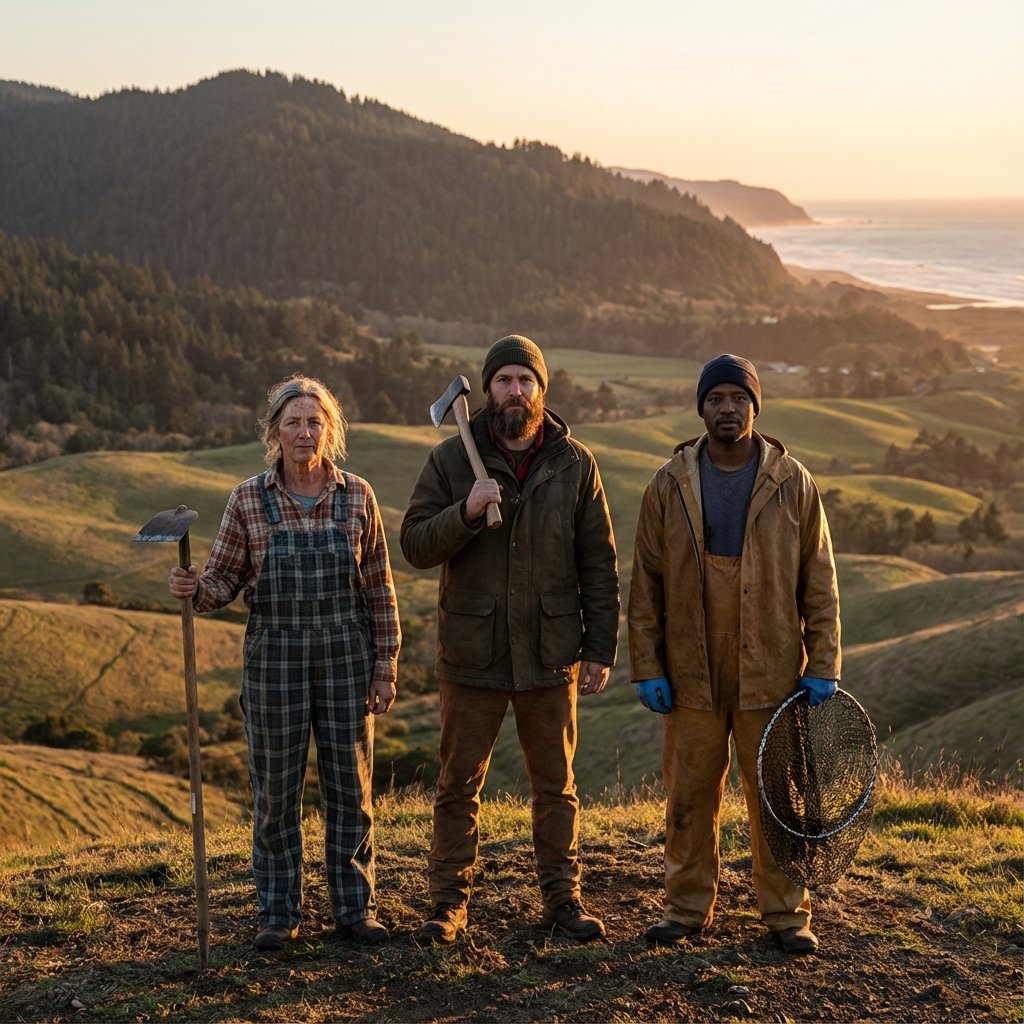
    Farmers, foresters, and fishers are the stewards of the bioeconomy. They provide the raw materials that power this green revolution. The EU strategy aims to ensure they are fairly rewarded for their vital role, including through new income streams like carbon farming.

    Key Metrics

    • 450 million: Consumers in the EU single market served by these producers.
    • 17.1 million: People employed in biomass producing and converting activities.

    Core Content

    The Challenge

    Primary producers often face volatile markets and thin margins. They are also on the front lines of climate change. For the bioeconomy to succeed, it must work for them, not just for industrial giants.

    The Solution

    The strategy focuses on fairness and diversification:
    * Carbon Farming: Paying farmers and foresters for practices that store carbon in the soil and biomass.
    * Cooperative Models: Encouraging producers to form cooperatives to process their own biomass and capture more value.
    * Skills: Training and advisory services to help producers adopt new bio-based technologies.

    The Impact

    • Rural Revitalization: New income streams can breathe life into rural and coastal communities.
    • Resilience: Diversified income makes farms and forests more resilient to economic shocks.
    • Stewardship: Incentivizing sustainable practices protects biodiversity and soil health.

           Source: EU Bioeconomy Strategy

  • Biomass Done Right: Efficiency & Prioritization

    Biomass Done Right: Efficiency & Prioritization

    Executive Summary

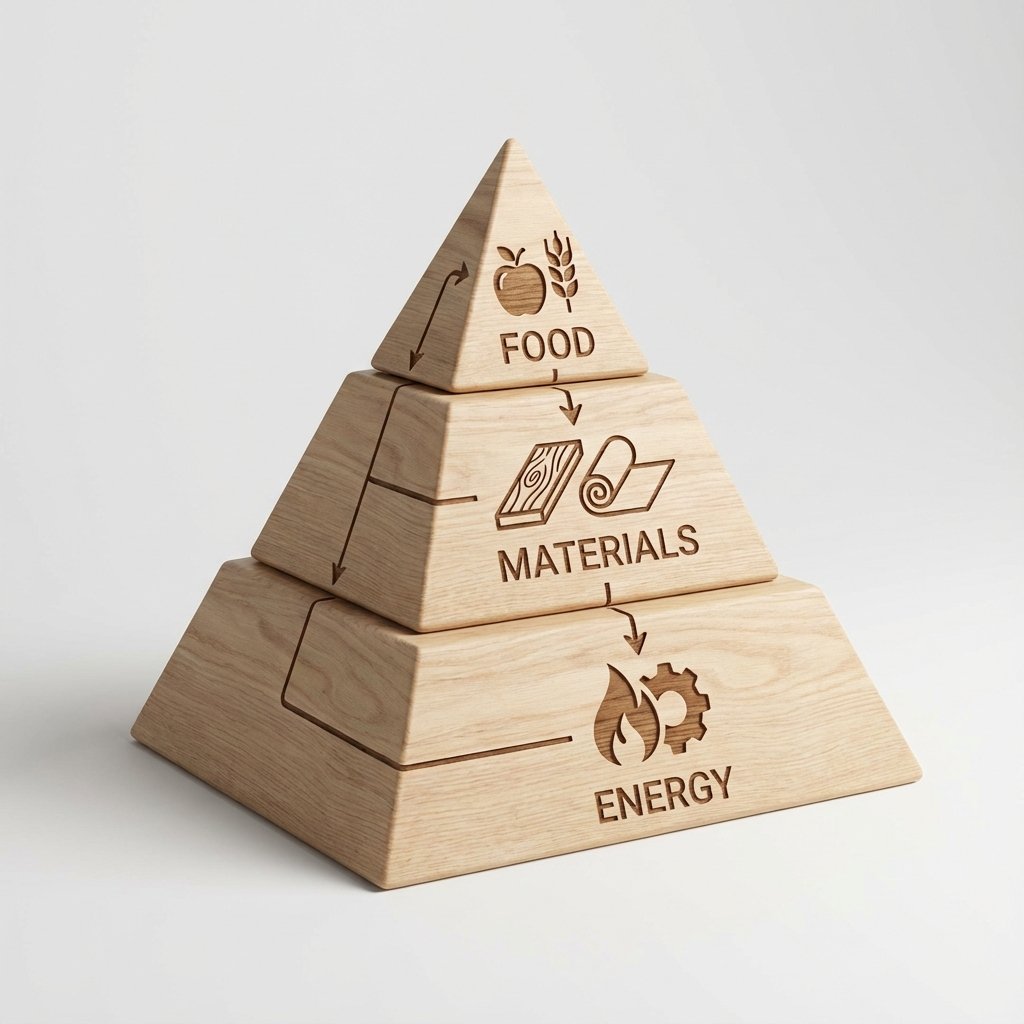
    Biomass is renewable, but it’s not infinite. To make the bioeconomy truly sustainable, we need to use every tree, crop, and residue wisely. The „cascading use” principle ensures we prioritize high-value materials over burning biomass for energy.

    Key Metrics

    • 38%: Percentage of biomass used for animal feed in Europe (2022).
    • 29%: Percentage of biomass used for energy (2022).
    • 24%: Percentage of biomass used for materials (2022).

    Core Content

    The Challenge

    There is a rising demand for biomass for food, feed, energy, and materials. If we aren’t careful, we risk over-exploiting our ecosystems or creating conflicts between these needs (the „food vs. fuel” debate).

    The Solution

    The strategy emphasizes Efficient Use:
    1. Food First: Food and nutrition security is the top priority.
    2. High Value: Use biomass for long-lived products (like timber or bioplastics) that store carbon.
    3. Residues for Energy: Use waste and secondary streams for energy, rather than primary crops.

    The Impact

    By following these principles, we can:
    * Reduce pressure on forests and farmland.
    * Maximize the economic value generated from each unit of biomass.
    * Ensure that bioenergy complements, rather than competes with, other decarbonization goals.

    Source: EU Bioeconomy Strategy

  • Powering the Transition: Biorefineries & Carbon Capture

    Powering the Transition: Biorefineries & Carbon Capture

    Executive Summary

    To replace oil refineries, we need biorefineries. These advanced facilities convert biomass into a spectrum of products—from food to fuels. Coupled with carbon capture, they are the engines of the new bioeconomy.

    Key Metrics

    • Technology Readiness Level 5-7: Focus for new biomanufacturing demonstration infrastructure.

    Core Content

    The Challenge

    We need to process biomass efficiently to get the most value out of it. Single-product facilities are often inefficient. We also need technologies to capture and use the carbon that is inevitably released.

    The Solution

    The strategy focuses on two key technological pillars:
    1. Integrated Biorefineries: Facilities that act like „industrial ecosystems,” turning biomass into food, feed, chemicals, materials, and energy—wasting nothing.
    2. Bio-CCUS: Bio-energy with Carbon Capture, Use, and Storage. Capturing CO2 from bio-based processes and either storing it permanently or using it as a feedstock for other industries.

    The Impact

    • Industrial Symbiosis: Different industries working together (e.g., a paper mill supplying heat to a greenhouse).
    • Negative Emissions: Permanently storing biogenic carbon can actually remove CO2 from the atmosphere.
    • Efficiency: Maximizing the value extracted from every ton of biomass.

    Source: EU Bioeconomy Strategy

  • Feeding the Soil: Bio-based Fertilizers

    Feeding the Soil: Bio-based Fertilizers

    Executive Summary

    Healthy soil is the foundation of food security. Bio-based fertilizers and plant protection products offer a way to nourish crops while restoring soil health, reducing reliance on synthetic inputs and imported raw materials.

    Key Metrics

    • 2026: Evaluation of the Fertilising Products Regulation to promote organic/recovered materials.

    Core Content

    The Challenge

    Modern agriculture relies heavily on synthetic fertilizers and pesticides. These can degrade soil health over time and often depend on imported fossil-based ingredients.

    The Solution

    The EU is promoting bio-based alternatives:
    * Bio-fertilizers: Recycled nutrients, microorganisms, and processed manure (RENURE).
    * Bio-pesticides: Natural substances and plant extracts to manage pests.
    * Simplification: Streamlining assessments for microorganisms to get them to market faster.

    The Impact

    Shift to bio-based inputs means:
    * Resilience: Less dependence on volatile global markets for synthetic fertilizers.
    * Circularity: Turning agricultural waste and manure into valuable resources.
    * Soil Health: Improving soil structure and biodiversity for long-term productivity.

    Source: EU Bioeconomy Strategy

  • Building Green: Bio-based Construction

    Building Green: Bio-based Construction

    Executive Summary

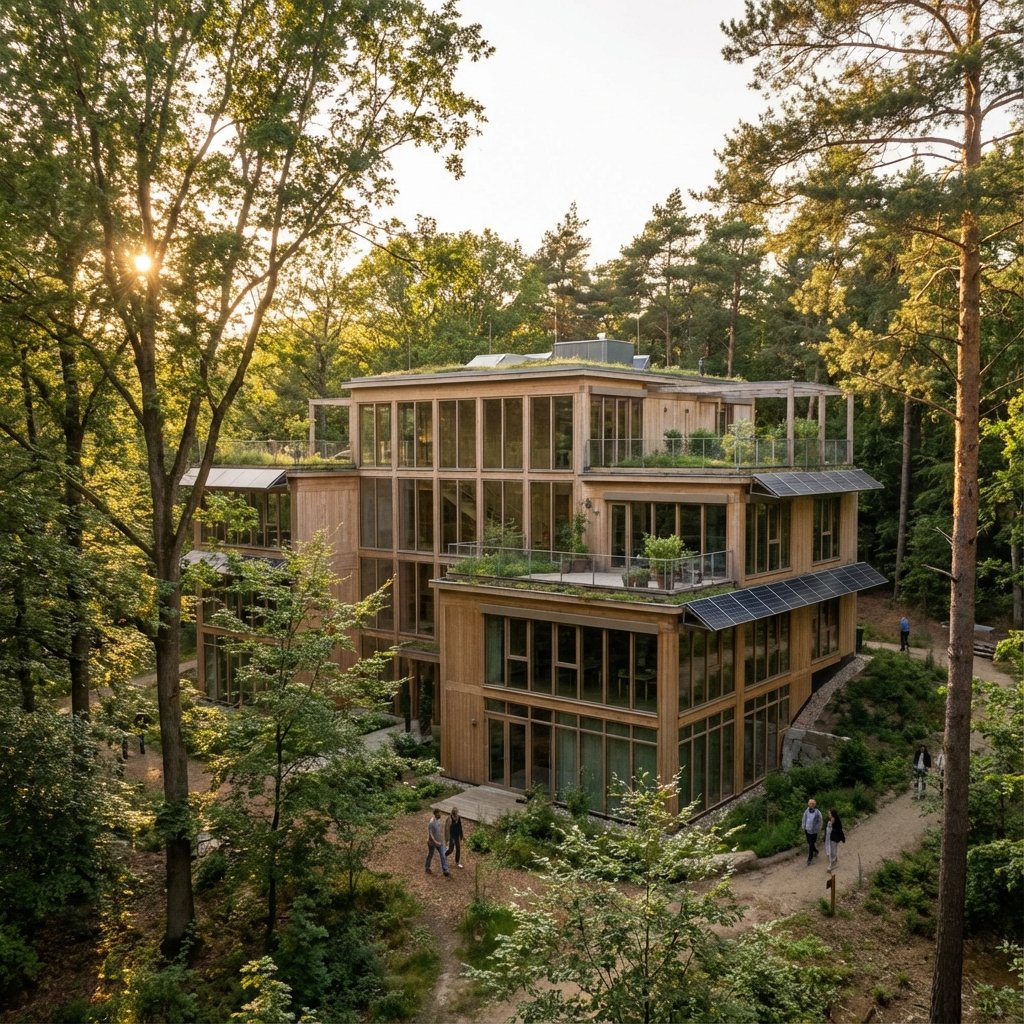
    Buildings are major carbon emitters. The bioeconomy offers a solution: constructing with wood, straw, and hemp. These materials don’t just reduce emissions; they turn buildings into long-term carbon storage vaults.

    Key Metrics

    • 35%: Share of EU waste generation from the construction sector.
    • 40%: Potential reduction in embodied carbon and energy demand by using bio-based products.

    Core Content

    The Challenge

    Construction is resource-hungry and polluting. Traditional materials like concrete and steel have high „embodied carbon.” To reach climate goals, we need to change how we build.

    The Solution

    The strategy champions bio-based construction materials—timber, insulation (hemp/straw), and fibre composites.
    * Standardization: Ensuring bio-based products can be fairly compared with conventional ones (e.g., fire safety standards).
    * Certification: Developing a methodology to certify the carbon stored in buildings under the Carbon Removal Certification Framework.
    * New European Bauhaus: Supporting demonstration projects like school renovations and social housing.

    The Impact

    Bio-based construction is a triple win:
    1. Lower Emissions: Less energy to produce than concrete/steel.
    2. Carbon Storage: Trees absorb CO2; using wood in buildings locks that carbon away for decades.
    3. Regional Jobs: Supports local forestry and processing industries.

    Source: EU Bioeconomy Strategy

  • Green Chemistry: The Industrial Biotech Boom

    Green Chemistry: The Industrial Biotech Boom

    Executive Summary

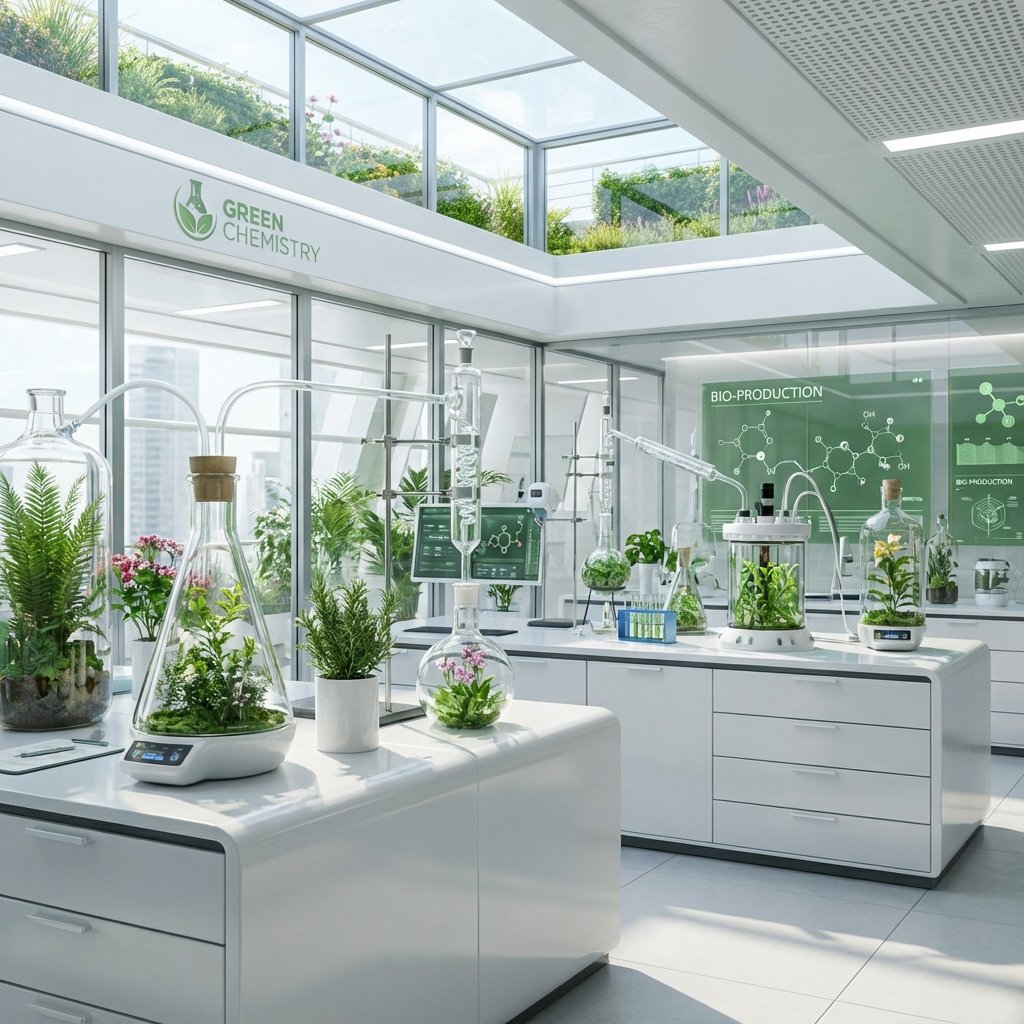
    Chemistry is the backbone of modern industry, but it needs a green makeover. Bio-based chemicals, produced via industrial biotechnology, offer a path to significantly lower emissions and reduced reliance on petrochemicals.

    Key Metrics

    • 30–50%: Lower process emissions for bio-based chemicals compared to fossil equivalents.

    Core Content

    The Challenge

    Most chemicals today are derived from oil and gas. Decarbonizing this sector is notoriously difficult but essential for reaching net-zero goals.

    The Solution

    The strategy promotes „Green Chemistry”—using enzymes and microorganisms to produce chemicals.
    * Scale-Up: Supporting the industrialization of biotechnology.
    * Market Pull: Considering bio-based content requirements for certain products.
    * Efficiency: Utilizing microbial processes that often require less energy than traditional chemical synthesis.

    The Impact

    Bio-based chemicals deliver:
    * Massive carbon footprint reductions (up to 50%).
    * Strategic autonomy by replacing imported petrochemicals with European biomass.
    * Safer, more sustainable ingredients for pharmaceuticals, cosmetics, and industry.

    Source: EU Bioeconomy Strategy