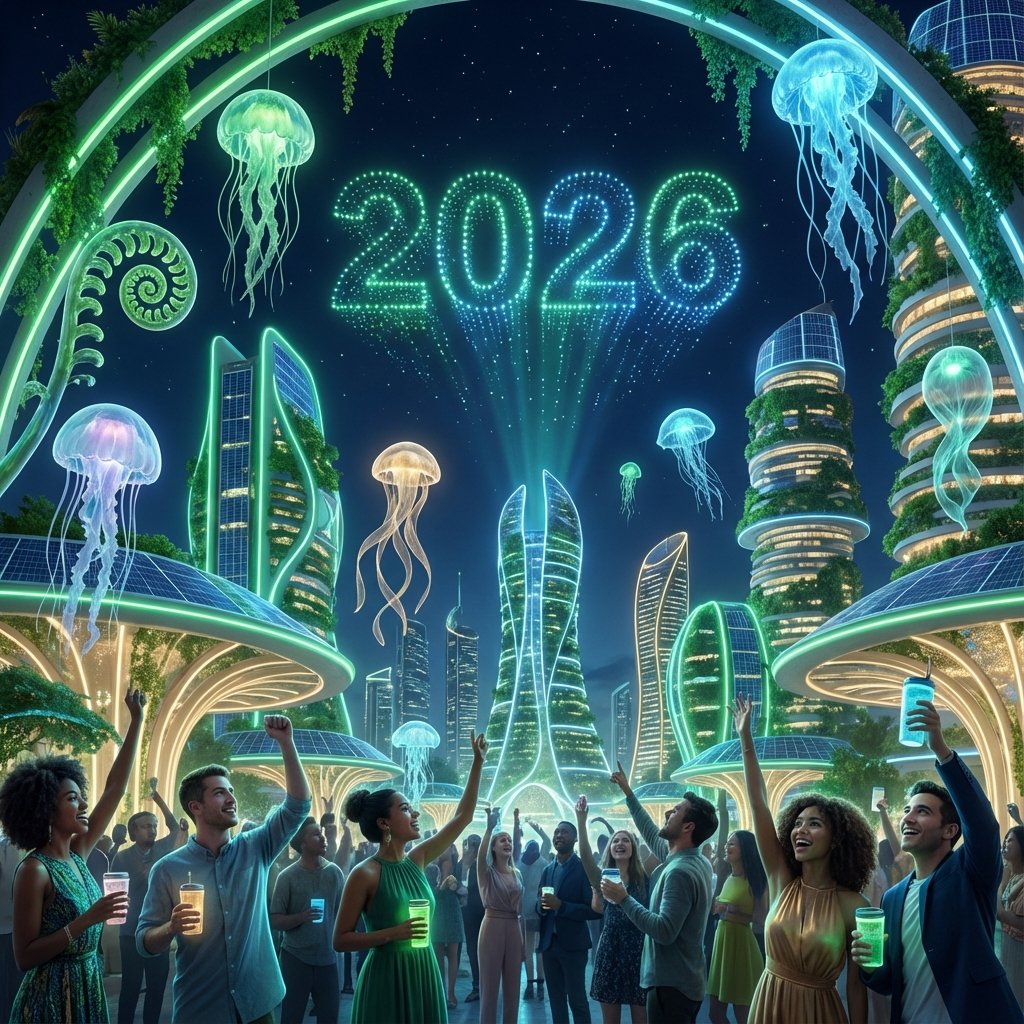
As the final hours of December 31st tick away, the world prepares to welcome another year. Lighting fireworks, popular champagne, and gathering with loved ones are traditions that mark this transition. However, amidst the celebration, it’s a perfect moment to reflect on the materials that make our festivities possible and the quiet revolution happening in the world of polymers.
New Year’s Eve has historically been a night of single-use excess—plastic glitter, disposable cups, synthetic streamers, and novelty eyewear worn for a few hours and then discarded. But as we stand on the threshold of 2026, the narrative is changing. The polymer industry, often scrutinized for its environmental footprint, is increasingly becoming a driver of sustainable solutions that allow us to celebrate without compromise.
The Ghost of Plastics Past vs. The Spirit of Innovation
We are moving away from the „take-make-dispose” model that characterized holidays of the past. This year, we’ve seen a surge in biodegradable glitter made from cellulose, replacing the microplastics that once washed into our oceans after the party was over. These plant-based alternatives shimmer just as brightly but return to nature harmlessly.
Similarly, the decor industry is embracing bioplastics derived from corn starch and sugarcane. Imagine party favors that can be composted along with your food scraps, rather than lingering in landfills for centuries. This shift isn’t just about consumer guilt; it’s about material science unlocking new possibilities.
2026: A Year of Sustainable Resolutions
As we look forward to the new year, the polymer industry is making its own set of resolutions.
- Closing the Loop: The focus is shifting from merely „recyclable” to „actively recycled.” Chemical recycling technologies are maturing, promising to turn complex mixed plastics back into virgin-quality feedstocks.
- Smart Materials: 2026 promises the rise of polymers that do more. We are seeing research into packaging that can detect spoilage or materials that heal themselves, extending product lifespans and reducing waste.
- Bio-based Feedstocks: The move away from fossil fuels continues. Algae, fungi, and even agricultural waste are becoming the building blocks of the future, reducing our carbon footprint before the product is even made.
A Toast to a Greener Future
Tonight, as we raise our glasses, let’s appreciate the science that is making our world cleaner and more efficient. The transition to a circular economy is a marathon, not a sprint, but every innovation brings us closer to the finish line.
Whether you are celebrating with a reusable cup made from recycled content or wearing an outfit spun from sustainable fibers, you are part of this change.
Happy New Year! Here’s to a 2026 filled with breakthrough innovations, sustainable solutions, and a brighter, greener future for all.




Parašykite komentarą