Executive Summary
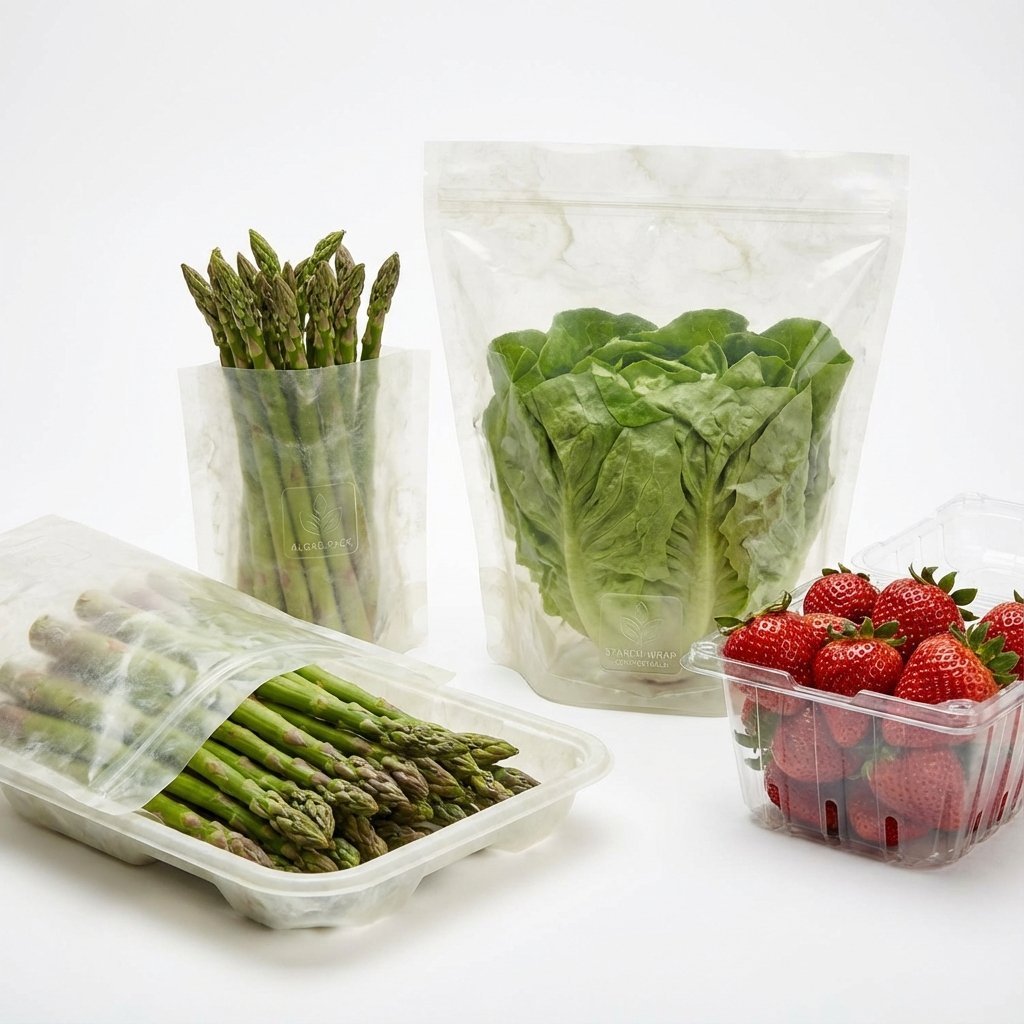
Plastic is everywhere, and most of it is fossil-based. The EU is pushing for a shift to bio-based plastics and polymers, using renewable resources like starch and algae to create packaging that is both functional and sustainable.
Key Metrics
- 2027: Adoption of criteria and targets for bio-based plastics under the Packaging and Packaging Waste Regulation.
- 24%: Percentage of biomass used for materials in Europe (2022).
Core Content
The Challenge
Conventional plastics have a massive carbon footprint and rely on finite fossil resources. While recycling is crucial, we also need to change the raw material itself to break free from oil dependency.
The Solution
The strategy identifies bio-based plastics as a „lead market.” This means replacing fossil feedstocks with renewable ones like lignin, starch, or algae. The EU will:
* Set Targets: Introduce criteria for bio-based content in packaging.
* Standardize: Create EU-wide definitions to support certification and scaling.
* Innovate: Support research into novel materials and AI-assisted design.
The Impact
Switching to bio-based plastics offers multiple wins:
* Lower carbon footprint.
* Reduced import dependency for chemical feedstocks.
* New value creation for local biomass producers.
* Development of biodegradable options for specific applications.
Source: EU Bioeconomy Strategy
Discover Sustainable Materials
Support eco-friendly innovation.
❮
❯
Hempy
Discover Hempy's biodegradable PLA and hemp bioplastic, the perfect sustainable materials for 3D printing and injection molding. Strong, natural, and eco-friendly options for your projects.
Shop Now
Supa Flow
Discover our versatile biodegradable bioplastic designed for 3D printing and injection molding. Made from wood and natural binders, this certified biodegradable material is perfect for eco-friendly applications.
Shop Now
Spaliai
Discover the versatility of hemp hurds (chaff) as a natural material for construction, animal bedding, and soil improvement. Explore sustainable building materials that benefit the environment.
Shop Now
Pluoštas
Discover the benefits of natural hemp fibers for textiles and various industrial applications. Explore how hemp fibers are revolutionizing industries with their sustainability and versatility.
Shop Now
Kanapbetonis
Discover Hemplime, a natural and sustainable building material made from hemp. Explore the benefits of hempcrete and how it contributes to healthy, long-lasting construction solutions.
Shop Now
SeaWeed Foam
Discover the benefits of seaweed foam, a non-toxic and biodegradable packaging filler made from natural seaweeds. Perfect for sustainable packaging solutions!
Shop Now
HempForma
Discover Hempforma, the innovative acoustic panel made from hemp and natural binders. With exceptional and programmable acoustic properties, it’s perfect for climate conscious design seeking excellence in sound quality.
Shop Now
View All Products →







Parašykite komentarą