Executive Summary
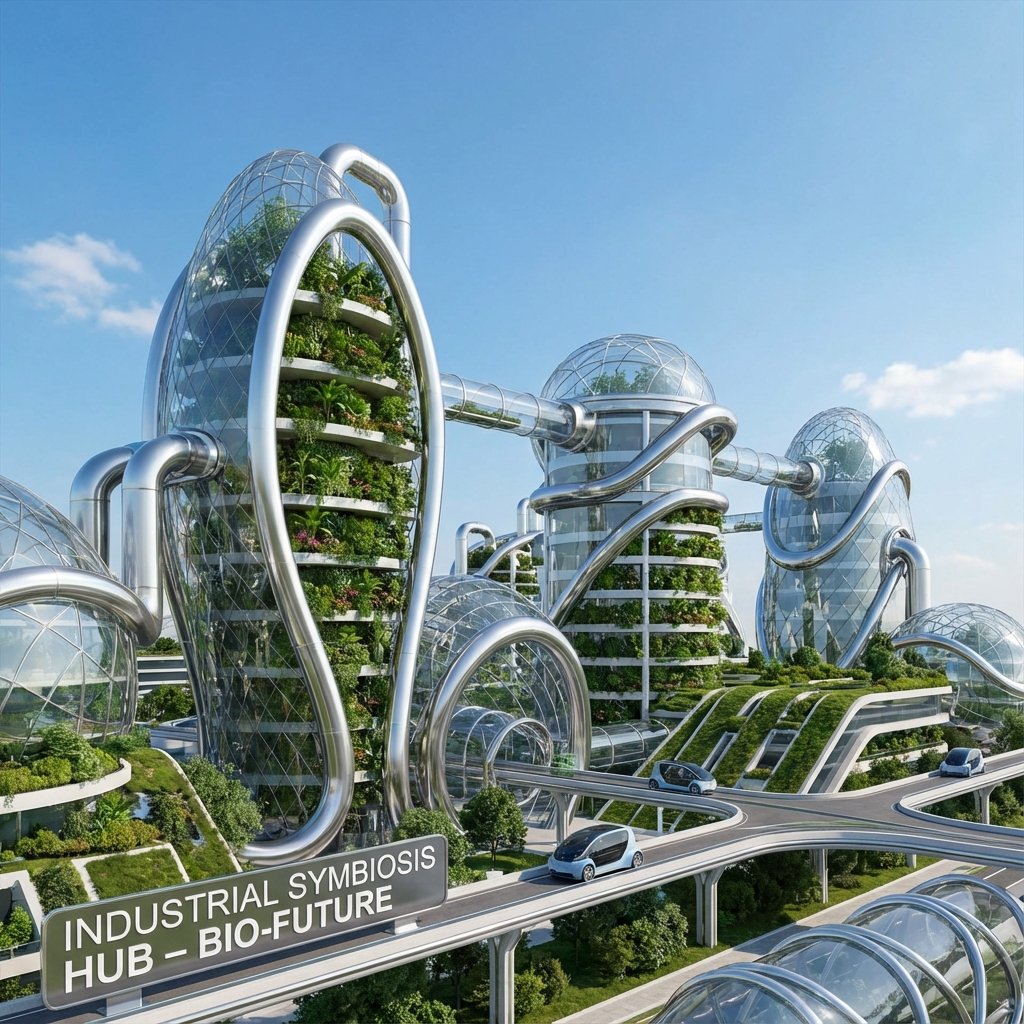
To replace oil refineries, we need biorefineries. These advanced facilities convert biomass into a spectrum of products—from food to fuels. Coupled with carbon capture, they are the engines of the new bioeconomy.
Key Metrics
- Technology Readiness Level 5-7: Focus for new biomanufacturing demonstration infrastructure.
Core Content
The Challenge
We need to process biomass efficiently to get the most value out of it. Single-product facilities are often inefficient. We also need technologies to capture and use the carbon that is inevitably released.
The Solution
The strategy focuses on two key technological pillars:
1. Integrated Biorefineries: Facilities that act like „industrial ecosystems,” turning biomass into food, feed, chemicals, materials, and energy—wasting nothing.
2. Bio-CCUS: Bio-energy with Carbon Capture, Use, and Storage. Capturing CO2 from bio-based processes and either storing it permanently or using it as a feedstock for other industries.
The Impact
- Industrial Symbiosis: Different industries working together (e.g., a paper mill supplying heat to a greenhouse).
- Negative Emissions: Permanently storing biogenic carbon can actually remove CO2 from the atmosphere.
- Efficiency: Maximizing the value extracted from every ton of biomass.
Source: EU Bioeconomy Strategy
Discover Sustainable Materials
Support eco-friendly innovation.
❮
❯
Hempy
Discover Hempy's biodegradable PLA and hemp bioplastic, the perfect sustainable materials for 3D printing and injection molding. Strong, natural, and eco-friendly options for your projects.
Shop Now
Supa Flow
Discover our versatile biodegradable bioplastic designed for 3D printing and injection molding. Made from wood and natural binders, this certified biodegradable material is perfect for eco-friendly applications.
Shop Now
Spaliai
Discover the versatility of hemp hurds (chaff) as a natural material for construction, animal bedding, and soil improvement. Explore sustainable building materials that benefit the environment.
Shop Now
Pluoštas
Discover the benefits of natural hemp fibers for textiles and various industrial applications. Explore how hemp fibers are revolutionizing industries with their sustainability and versatility.
Shop Now
Kanapbetonis
Discover Hemplime, a natural and sustainable building material made from hemp. Explore the benefits of hempcrete and how it contributes to healthy, long-lasting construction solutions.
Shop Now
SeaWeed Foam
Discover the benefits of seaweed foam, a non-toxic and biodegradable packaging filler made from natural seaweeds. Perfect for sustainable packaging solutions!
Shop Now
HempForma
Discover Hempforma, the innovative acoustic panel made from hemp and natural binders. With exceptional and programmable acoustic properties, it’s perfect for climate conscious design seeking excellence in sound quality.
Shop Now
View All Products →







Parašykite komentarą